
Asea's IRB6: The First Fully Electric Industrial Robot and Its Market Impact
In 1974, Asea introduced the IRB6 S1, the world's first fully electric industrial robot, later becoming a pioneer in robotics. A total of 1,900 units were produced between 1975 and 1992. The robot, capable of handling six-kilogram loads with five axes, was utilized in various applications, including arc welding. Collaborations with companies like BMW and Daimler facilitated its adoption in the automotive industry, despite initial resistance to automation. Asea's focus on hydraulic robots ultimately led to its decline in the face of electric robot demand, resulting in Unimation's acquisition by Westinghouse in 1982.
 Theia Market Signal Identification - AI Assisted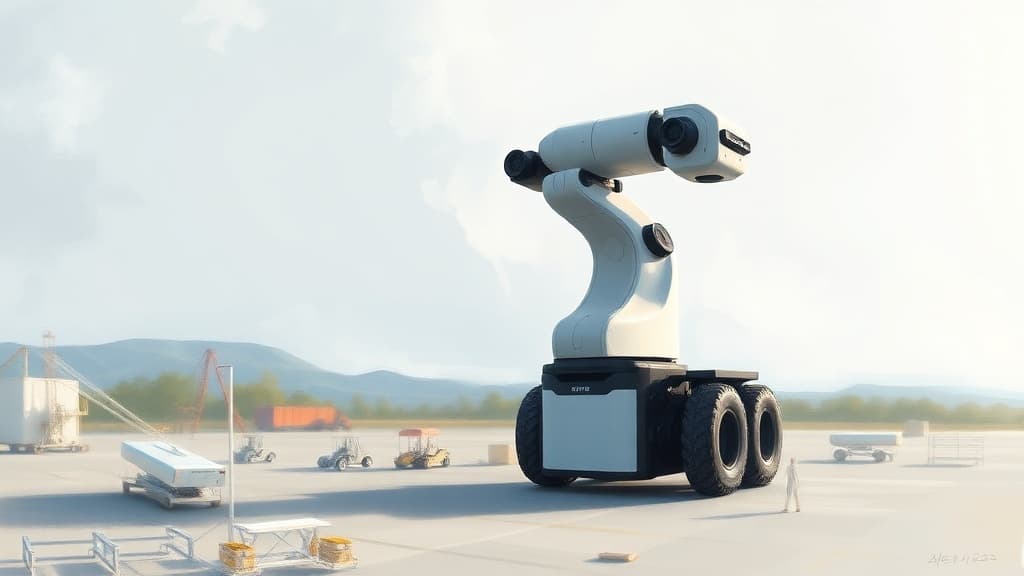
Asea introduced the IRB6 S1 in 1974, marking the first fully electric industrial robot, featuring microprocessor control and capable of handling loads up to six kilograms. A total of 1,900 units were produced from 1975 to 1992, primarily for applications including arc welding.
The robot was initially used at Asea's facilities and later adopted by automotive manufacturers like BMW and Daimler. Asea initially limited robot sales to technically adept customers. The company's commitment to hydraulic robots hindered its competitiveness against the rising demand for electric robots, culminating in its acquisition by Westinghouse in 1982 after losing market share to competitors like Fanuc.

Comments