
B-1B Lancer's Vulnerabilities Against China's Air Defense Systems Highlighted
The B-1B Lancer, a key bomber in the U.S. Air Force, faces significant challenges against China's advanced air defenses, particularly the HQ-9B missile system. Its lack of stealth features raises concerns about its survivability in future conflicts, especially given China's layered anti-access/area denial strategy.
 Theia Market Signal Identification - AI Assisted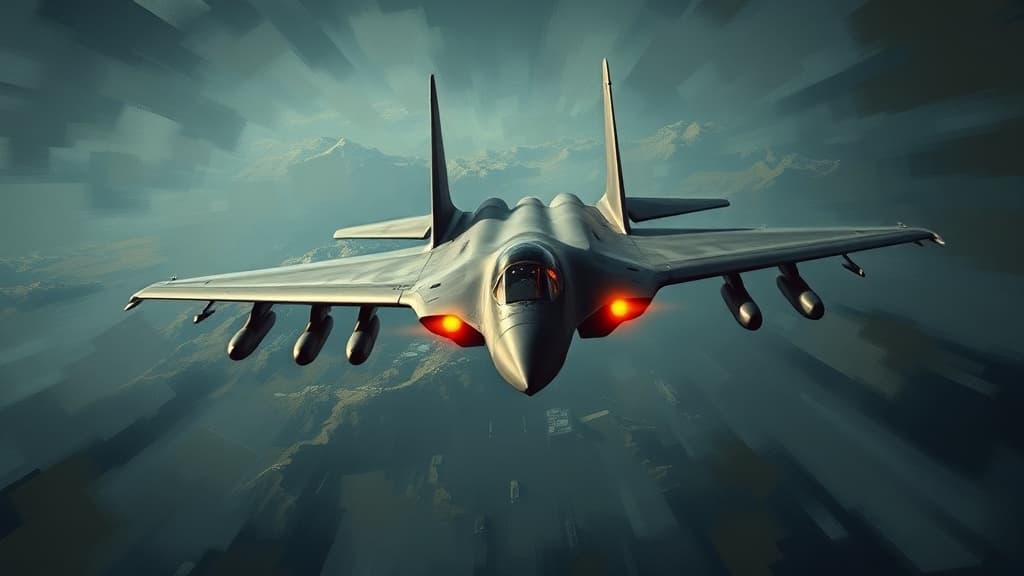
The B-1B Lancer has undergone various upgrades, including enhanced avionics and weapon integration, but it remains vulnerable to China's advanced air defense systems, such as the HQ-9B missile with a 300-kilometer engagement range. While the B-1B maintains operational relevance where U.S. air superiority exists, its non-stealthy design limits its effectiveness against sophisticated adversaries.
The aircraft's upgrades include improved targeting systems and increased weapon carriage capacity, yet these enhancements may not suffice against China's comprehensive anti-access strategies. Additionally, China's growing missile capabilities threaten U.S. operations, forcing bombers to operate from greater distances and complicating mission planning. The challenges facing the B-1B Lancer underscore the need for advanced stealth platforms like the upcoming B-21 Raider to ensure U.S. air power remains effective in contested environments.

Comments