
Ball State University Pioneers Geothermal Energy in Indiana, Reducing Carbon Footprint Significantly
Ball State University in Muncie, Indiana, has implemented one of the largest geothermal systems in the U.S., reducing carbon emissions by approximately 85,000 tons annually since 2012. The switch from fossil fuels has created nearly 2,300 jobs and saved the university $2 million per year. Indiana Geothermal, established in 2000, has promoted residential geothermal systems across the state, helping homeowners reduce their carbon footprints and emphasizing the benefits of geothermal technology.
 Theia Market Signal Identification - AI Assisted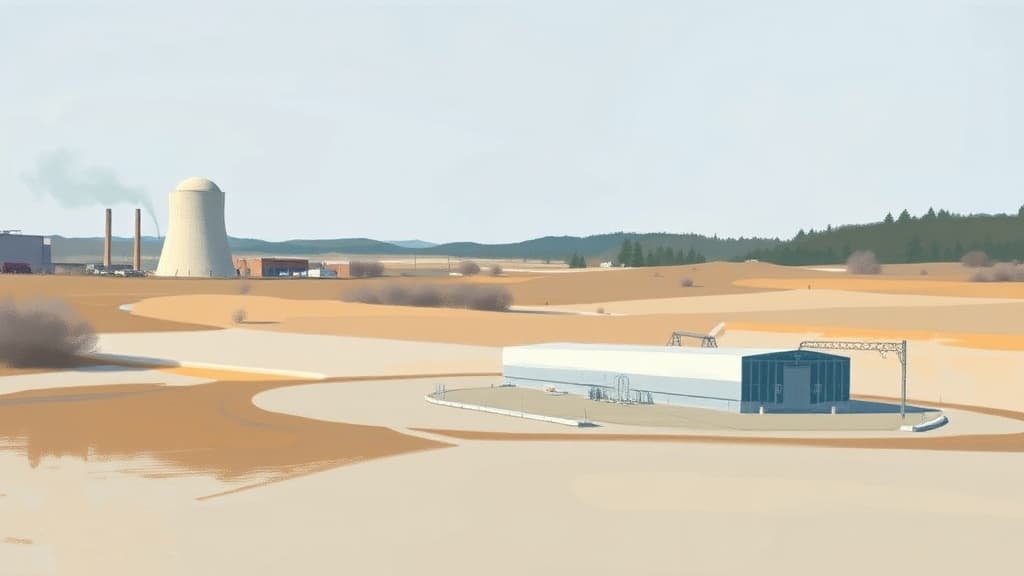
Ball State University completed its geothermal energy system in 2012, marking a significant advancement in Indiana's energy generation, reducing carbon emissions by about 85,000 tons annually. This system operates across 71% of the campus's buildings and saves the university approximately $2 million each year.
The transition has created nearly 2,300 jobs and aligns with the university's sustainability commitments. Additionally, Indiana Geothermal has promoted geothermal technology statewide since 2000, providing residential systems that help reduce homeowners' carbon footprints. The company aims to educate the public on geothermal benefits and has installed numerous systems in the region.



Comments