
B.C.'s LNG Ambitions Could Significantly Increase Climate Pollution, Report Finds
A report on British Columbia's CleanBC climate action plan warns that the province's liquefied natural gas (LNG) ambitions could significantly increase climate pollution, potentially offsetting emission reductions in other sectors. Current LNG projects may add 13 megatonnes of annual emissions, undermining the goal to reduce emissions by 21 megatonnes by 2030. Experts urge a reevaluation of the province's climate strategy, highlighting the need for extensive electrification of LNG supply chains, which could compete for resources with other critical sectors.
 Theia Market Signal Identification - AI Assisted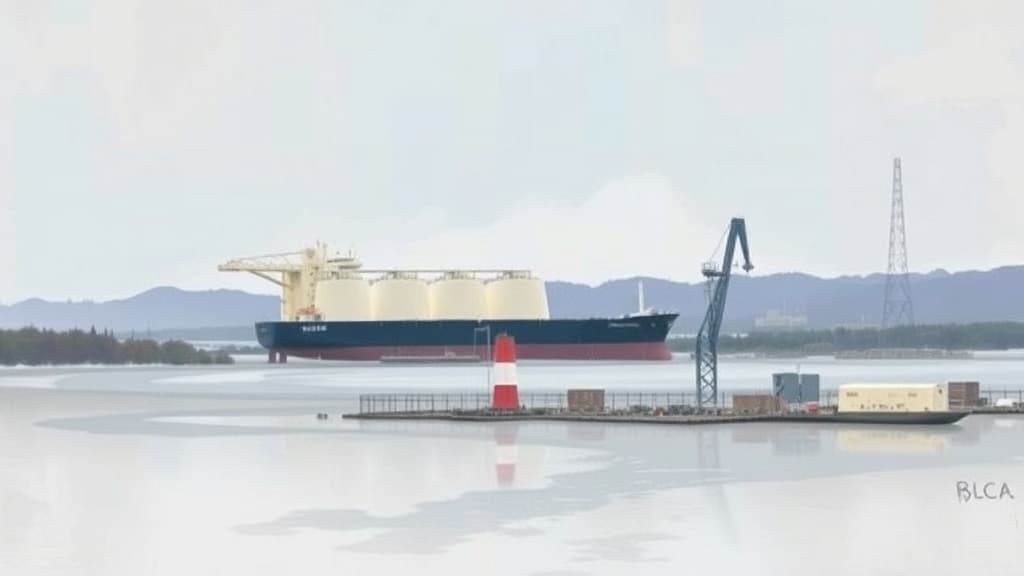
A review of B.C.'s CleanBC climate action plan highlights that the province's liquefied natural gas (LNG) ambitions could introduce significant new sources of climate pollution, potentially negating emission reductions achieved in other sectors. The report notes that the focus on LNG may divert clean energy resources and fiscal support from critical minerals mining.
Current LNG projects, including LNG Canada's Phase 1, Woodfibre LNG, and Cedar LNG, could collectively add 13 megatonnes of emissions annually, undermining the province's goal to reduce emissions by 21 megatonnes by 2030. The report also emphasizes the need for extensive electrification of LNG supply chains, requiring 40,000 GWh/year of electricity, which may compete with other essential sectors. Experts call for a reevaluation of B.C.'s climate strategy, arguing that increasing LNG production could jeopardize overall emissions reduction efforts.


Comments