
BMW iX3 Incorporates Circularity in Design and Production
The BMW iX3 integrates circularity into its design with 700 kg of recycled materials, significantly reducing carbon impact. This strategic shift aims to enhance sustainability in electric vehicle production.
 Theia Market Signal Identification - AI Assisted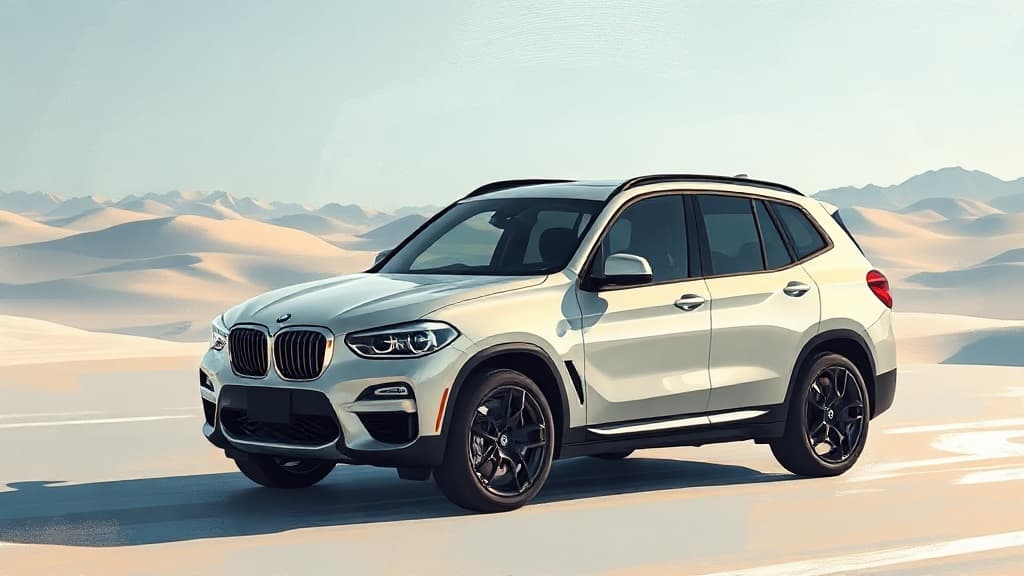
The new BMW iX3 utilizes 700 kg of recycled materials, accounting for one-third of its total material composition. Key components include bumpers made from second-life plastics and alloy wheels composed of 70% recycled aluminum.
The SUV's interior fabrics are derived from recycled water bottles, while the engine compartment cover utilizes recycled fishing nets. Production at BMW's plant in Debrecen, Hungary, powered by fossil-free energy, marks a significant step in reducing the carbon footprint of EV manufacturing.
The iX3's Gen6 battery cells incorporate 50% secondary raw materials, including lithium, cobalt, and nickel. Compared to traditional ICE vehicles, the iX3 achieves breakeven in one year or 17,500 km driven, faster than the typical EV's three years. The vehicle's design also facilitates easy disassembly for recycling.


Comments