
CEE States' Political Dynamics and EU Strategic Response Amidst Ongoing Conflicts
The political landscape in Central and Eastern Europe (CEE) is increasingly shaped by the war in Ukraine and its implications for democratic security and EU relations. Heightened polarization in Poland and Slovakia necessitates civil society action to preserve democratic processes and counteract extremist narratives, while the EU is urged to enhance funding and support for civic education and rule of law compliance.
 Theia Market Signal Identification - AI Assisted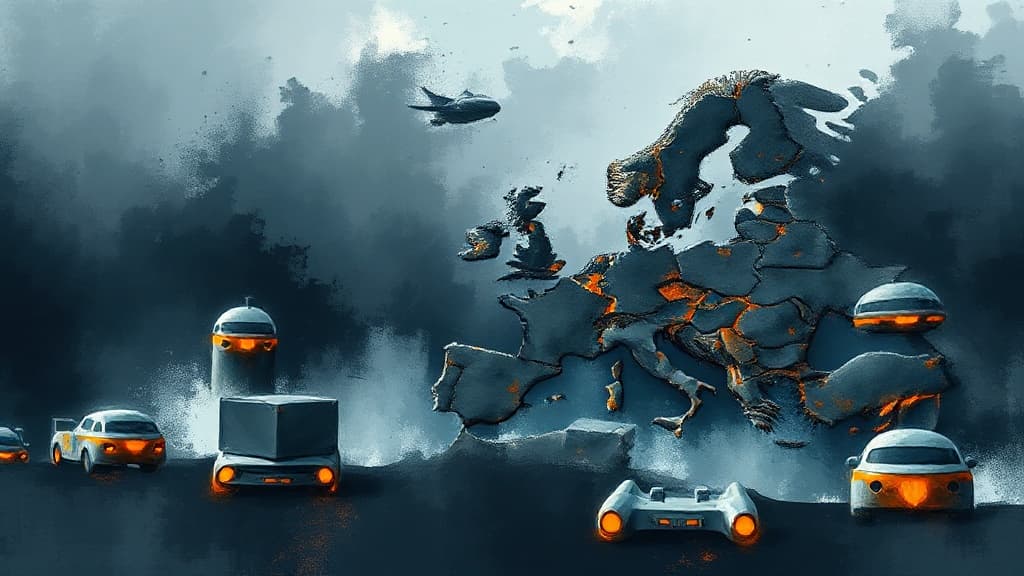
The EU Council approved a €1 billion joint ammunition procurement for Ukraine, reflecting a unified response to ongoing conflicts. Poland's secretive $9.2 billion loan from South Korea aims to bolster its defense orders amidst regional tensions.
The EU is advised to enhance civic education funding in CEE countries to navigate evolving political landscapes effectively. Concurrently, Hungary alone abstained from condemning human rights violations in Belarus, highlighting divisions within the EU.
The war's impact on Belarus remains significant, with potential scenarios influencing political dynamics and public opinion. Poland and Hungary's unilateral bans on Ukrainian grain imports raise concerns over their support for Ukraine's EU accession, while Slovakia and the Czech Republic resist EU asylum policies. The EU faces challenges in implementing the AI Act and other regulations in the V4 region, necessitating collaboration with local tech leaders for adoption of international standards.
Comments