
Chemical Industry Shifts to Renewable Energy for Emission Reductions
BASF and Lanxess are implementing renewable energy strategies to meet ambitious emissions reduction targets by 2030 and 2040, respectively. These initiatives are driven by regulatory pressures, energy security concerns, and customer demand for lower-carbon products.
 Theia Market Signal Identification - AI Assisted
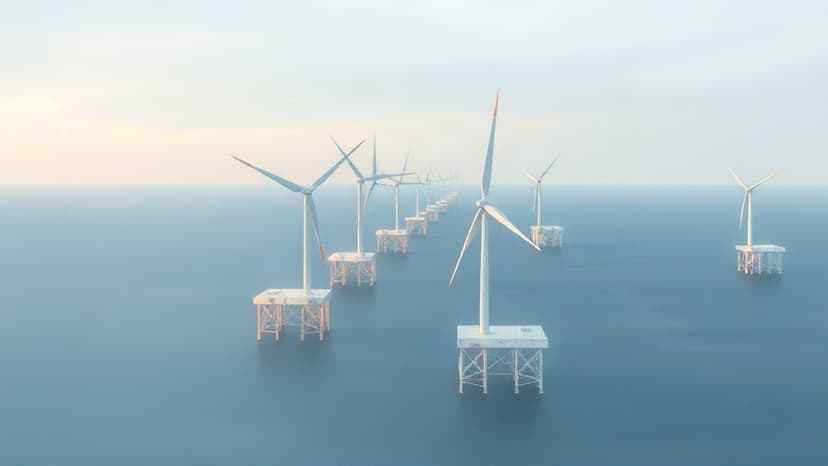
BASF aims to reduce Scope 2 emissions by 3.2 million metric tons of carbon dioxide by 2030 through renewable energy initiatives. The company is developing a diversified renewable energy portfolio via power purchase agreements (PPAs) and investments in offshore wind and solar projects, with an anticipated increase in renewable electricity consumption from 26% in 2024 to 36% in 2025.
Lanxess targets climate-neutral Scope 1 and 2 emissions by 2040, leveraging renewable electricity to achieve a 42% emissions reduction by 2030 from 2021 levels. Both companies are pursuing PPAs and renewable energy certificates (RECs) to secure renewable energy supply.
These strategies address supply chain resilience and regulatory demands, while positioning companies competitively in a low-carbon economy. The shift to renewable energy is critical as chemical producers face volatile energy costs and stringent environmental regulations.


Comments