
Chilean Government Under Boric Faces Challenges in Industrial Policy and Trade Following Kast’s Election
Chilean President Gabriel Boric's efforts to reshape the country's export-driven economy, focusing on lithium, copper, and green hydrogen, face significant challenges following the election of right-wing candidate José Antonio Kast. While Boric's administration has proposed a new development model and achieved some successes in lithium extraction, many initiatives have stalled due to political pressures, leading to a shift towards a more centralized approach. Additionally, the government's ability to engage in international trade negotiations has weakened, particularly amid rising US tariffs.
 Theia Market Signal Identification - AI Assisted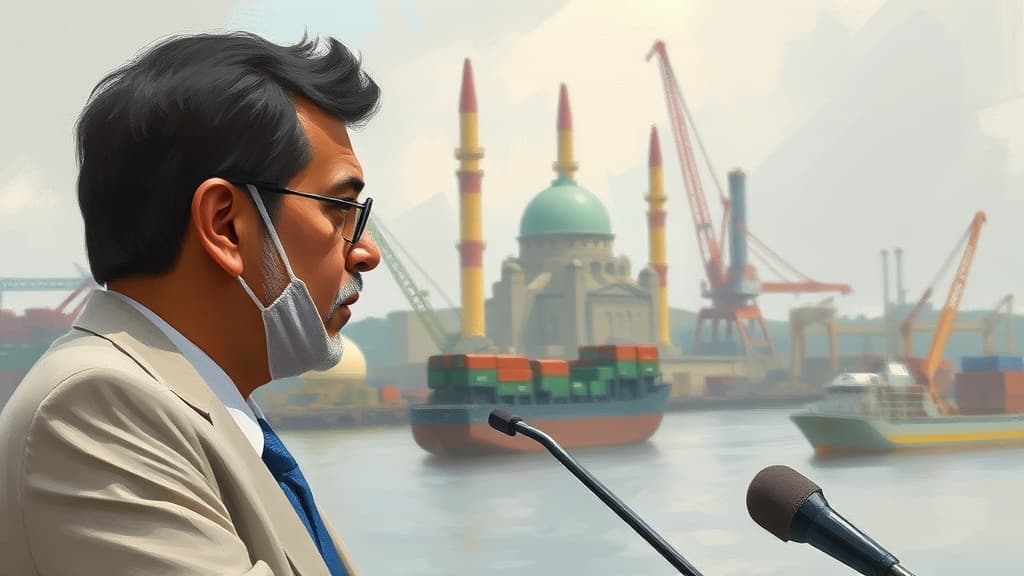
Chilean President Gabriel Boric aims to transform the country's export-oriented economic model by focusing on lithium, copper, and green hydrogen. In his first year, he implemented new commercial rules for these resources and sought increased state management and financing.
However, the recent election of right-wing candidate José Antonio Kast jeopardizes this agenda. Chile's export concentration has risen, with top products making up 62.9% of exports in 2024. The government proposed a new development model combining industrial policy with trade policy, including a national lithium company and a National Development Bank.
Despite some successes, such as a joint venture for lithium extraction, many proposed strategies were stalled or reverted due to political pressures. The government's later initiatives, including the Financing and Investment Agency for Development, lack the participatory elements of earlier proposals, indicating a shift towards a more centralized approach. The Boric administration's ability to navigate international trade negotiations has also diminished, particularly in the face of US tariffs.
Comments