
China-Pakistan Economic Corridor Transitions to Green and Digital Initiatives
The China-Pakistan Economic Corridor (CPEC) is evolving from coal-based energy to solar power and AI technology, with investments exceeding $65 billion. The initiative aims to establish Pakistan as a renewable technology exporter, achieving 50 GW in solar imports by 2025. The 'Green CPEC' initiative, launched in 2024, focuses on local manufacturing and reducing equipment import costs, while the CPEC 2.0 project aligns with China's Five-Year Plan emphasizing high-quality development. The corridor's transformation includes expanding Special Economic Zones and enhancing digital infrastructure.
 Theia Market Signal Identification - AI Assisted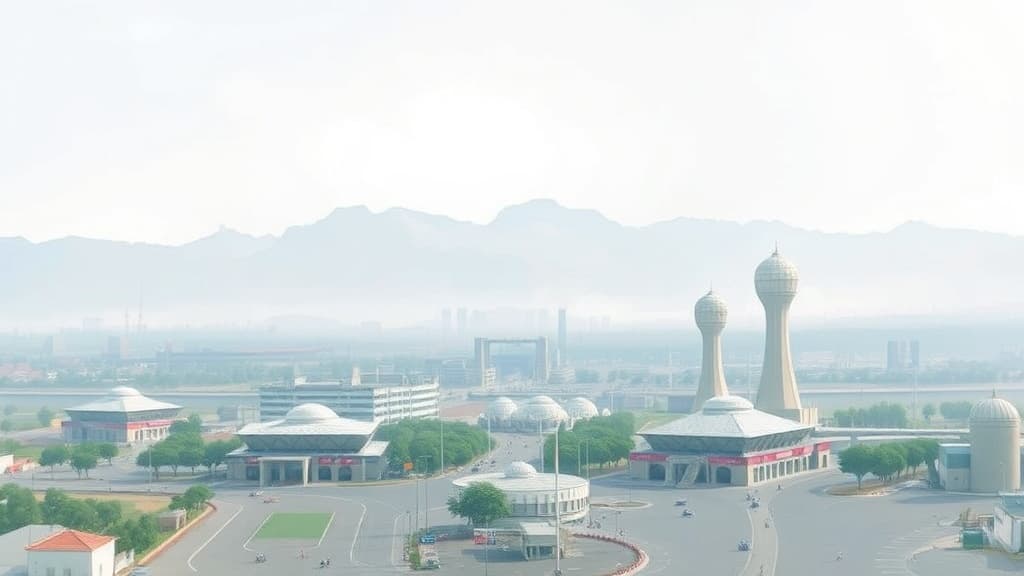
The China-Pakistan Economic Corridor (CPEC) is shifting focus from coal power to solar energy and artificial intelligence, with over $65 billion in investment. The project, now in its second phase (CPEC 2.0), aims to establish Pakistan as a leading environmentally friendly industrial center.
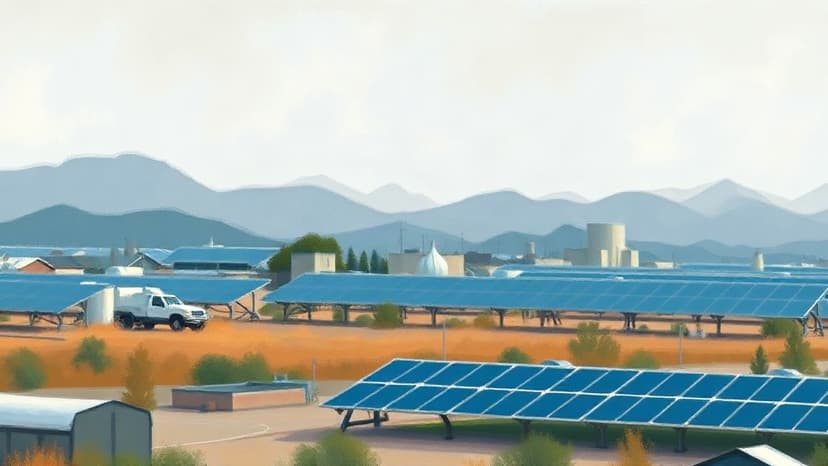
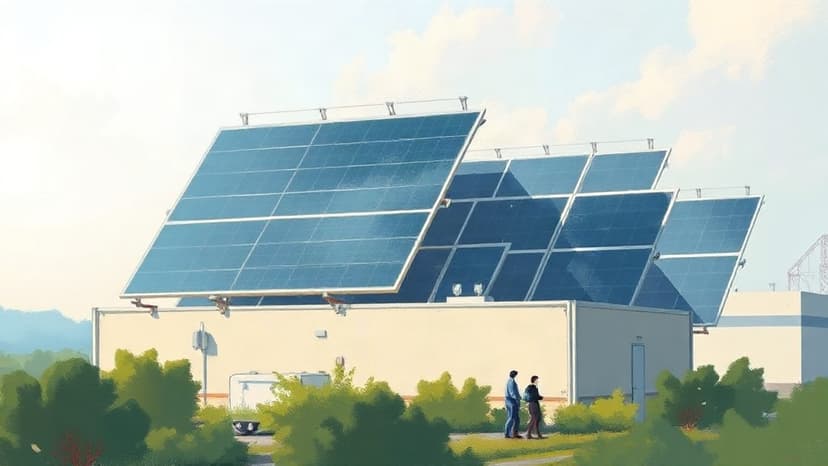
By 2025, Pakistan will import 50 GW of solar panels, with solar energy accounting for 25% of its electricity supply. The 'Green CPEC' initiative launched in 2024 aims to localize the solar PV value chain, while the digital economy is supported by a $1 billion AI fund.
Special Economic Zones have increased from seven to 44, facilitating Chinese manufacturing relocation. The corridor's modernization includes a $7 billion railway upgrade and infrastructure developments in Gwadar. The success of CPEC 2.0 relies on efficient operational SEZs and grid system upgrades to support renewable energy.
Comments