
China's Hydrogen Strategy Puts Pressure on Germany and Europe in Energy Transition
China's 15th Five-Year Plan prioritizes green hydrogen, ammonia, and methanol, impacting European energy strategies. Namibia's Hyphen Hydrogen Energy project, supported by Germany, aims to produce green ammonia. However, challenges include infrastructure and ecological concerns. China's advancements in hydrogen technology and production capacity may increase competition for German and European firms, emphasizing the need for a strategic response to maintain competitiveness in the evolving global hydrogen market.
 Theia Market Signal Identification - AI Assisted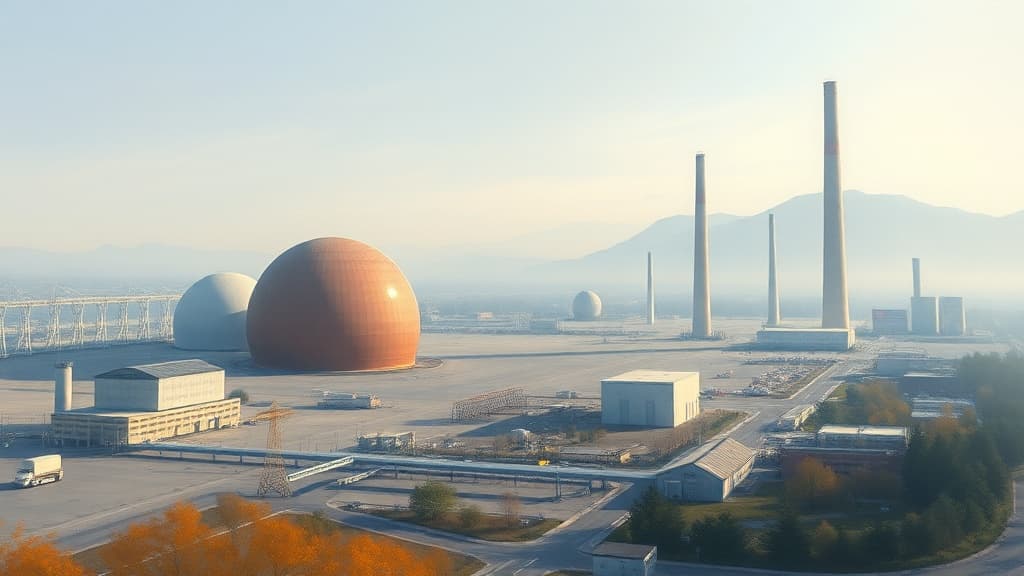
China's 15th Five-Year Plan boosts green hydrogen, ammonia, and methanol as key growth areas. By 2030, Namibia's Hyphen Hydrogen Energy project, a collaboration between Enertrag and Nicholas Holdings, aims to produce two million tons of green ammonia annually, backed by German political support.
However, development faces delays and logistical challenges, including a need for port expansion. China, a leader in electrolyzer production, is set to expand its hydrogen market with integrated projects.
The EU aims for 10 million tons of renewable hydrogen by 2030, but faces competition from China and logistical advantages from countries like Egypt and Morocco. Namibia's project is pivotal for its economic future, balancing ecological concerns and the need for international partnerships.

Comments