
CHP Installations Vital for Dutch Horticulture Amid Energy Transition Delays
The BlueTerra WKK Barometer 2026 indicates continued reliance on gas-engine CHP systems in Dutch horticulture through 2035, driven by slower-than-expected growth in renewable energy. The report highlights the need for controllable capacity in light of rising electricity demand and a potential risk to supply security as outlined by TenneT.
 Theia Market Signal Identification - AI Assisted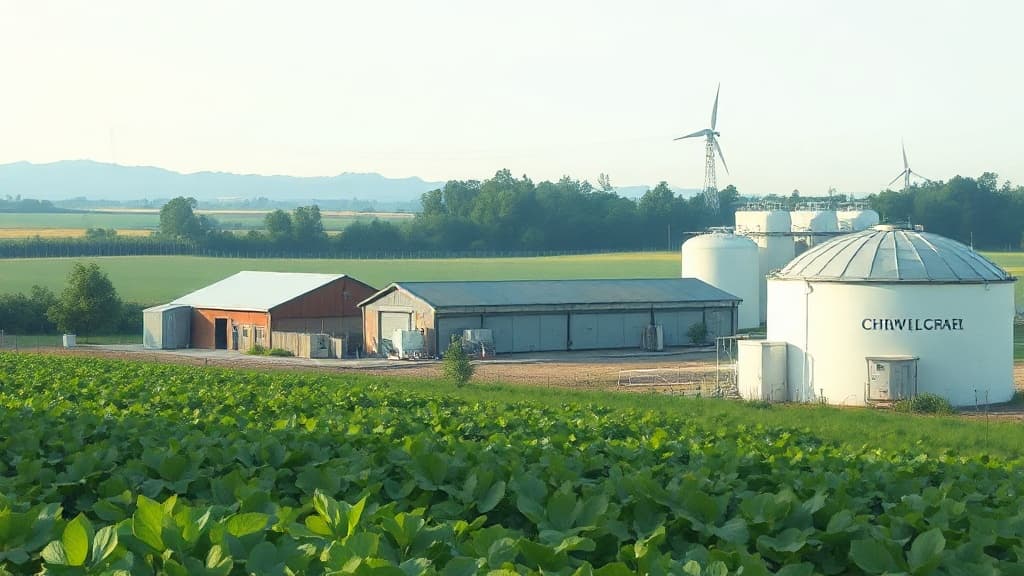
The WKK Barometer 2026 forecasts that gas-engine combined heat and power (CHP) units will operate for approximately 3,300 full-load hours in 2030, declining slightly to about 2,700 hours by 2035. This sustained usage is attributed to the slower growth of wind and solar energy, necessitating dispatchable capacity during periods of low renewable output.
The installed CHP capacity in Dutch horticulture saw an increase of 65 MWe in 2025, while new capacity additions are limited before 2030. Policy implications, including tax benefits and carbon costs, are critical for the economic viability of CHP, with potential disruptions to the merit order threatening operational predictability. Growers are encouraged to integrate CHP with advanced systems for improved energy management, reflecting its role in the broader energy landscape.

Comments