
Circular Economy Initiatives and Waste Management in Bahrain
Bahrain aims to transition to a circular economy by reducing waste by 60% by 2035, leveraging data analysis and innovative technologies. The focus on sustainability and circular practices presents new economic opportunities and job creation.
 Theia Market Signal Identification - AI Assisted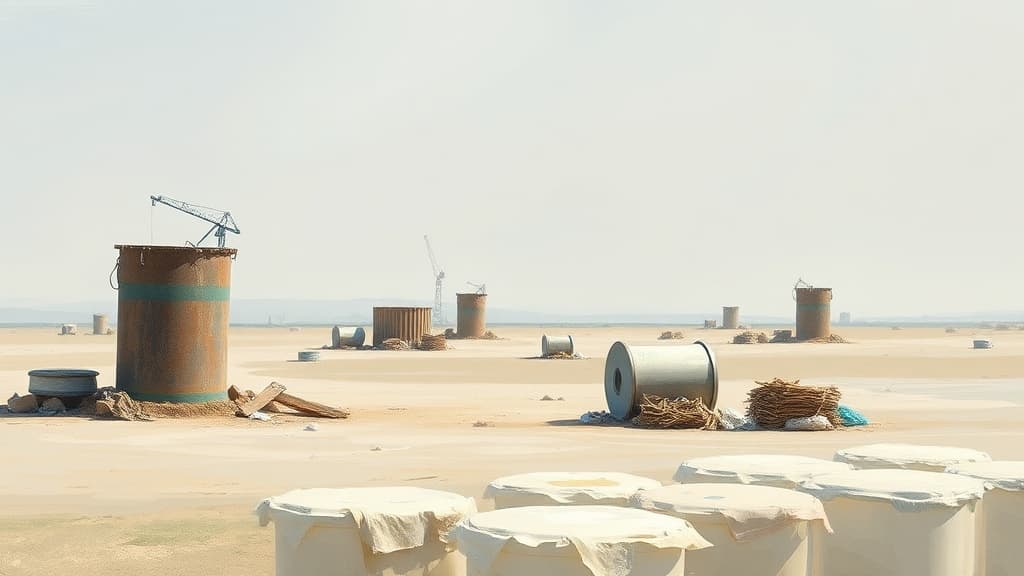
Bahrain produces approximately 1.2 million tons of solid waste annually, with a significant portion originating from residential, commercial, and industrial sectors. The government has launched a waste management strategy targeting a 60% reduction in landfill waste by 2035, amid expectations of landfill capacity being reached soon.
The Economic Recovery Plan anticipates investments up to $30 billion in strategic projects, including renewable energy, to support this transition. Companies can enhance profitability and innovation through circular economy practices, such as Philips' lighting service model.
The shift presents challenges but can lead to increased product lifespan, reduced waste, and improved environmental health. Leveraging artificial intelligence for data analysis will facilitate this transition. Universities and industries are encouraged to collaborate on research and development for sustainable practices.



Comments