
Didcot A Demolition Marks Shift from Coal to Renewables in the UK Energy Landscape
The demolition of Didcot A power station on August 18, 2019, symbolizes the UK's transition from coal to renewable energy, with coal's contribution to electricity generation plummeting to 2%. As of 2020, renewables accounted for 43% of the UK's electricity, with wind energy leading the way, while the last coal power station closed in September 2024. Despite this progress, significant challenges remain, including the need for increased battery storage and overcoming $7 trillion in fossil-fuel subsidies.
 Theia Market Signal Identification - AI Assisted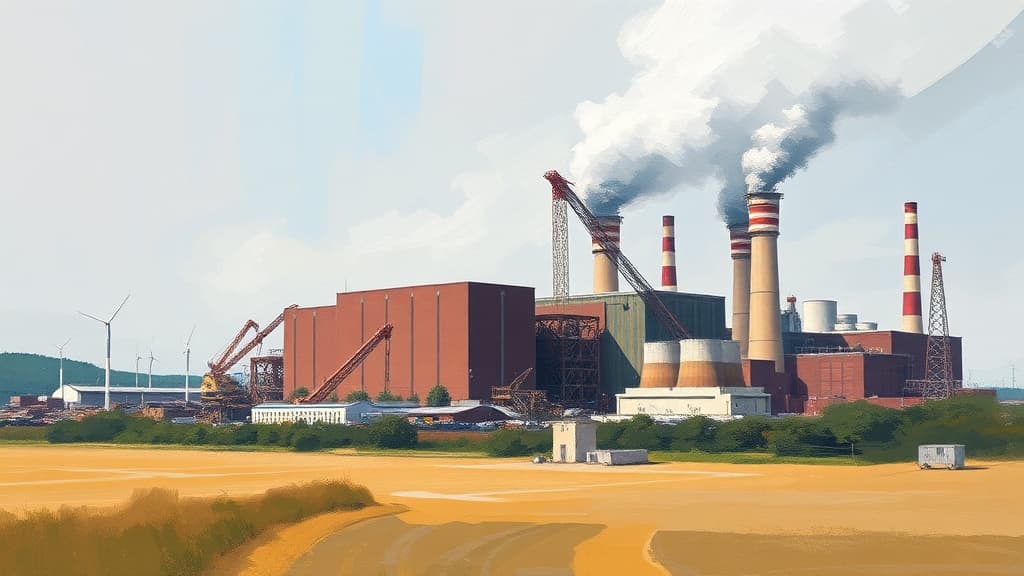
The demolition of Didcot A power station in Oxfordshire on August 18, 2019, marked the end of coal-burning power generation in the UK, which had fallen to 2% of electricity generation by that time. Following the demolition, 40,000 homes lost power due to an explosion triggered by debris.
The last coal power station, Ratcliffe-on-Soar, closed in September 2024. Meanwhile, renewable energy sources, including wind, solar, and biomass, supplied 43% of the UK’s electricity by 2020, with wind becoming the largest contributor.
The UK now holds 20% of global offshore wind capacity. To meet global climate goals, renewable energy must exceed 40% of power generation by 2030, while coal must drop to 4%. Current battery storage capacity needs to increase significantly to support this transition, with projections indicating rapid growth driven by electric vehicle demand. However, fossil-fuel subsidies totaling $7 trillion in 2022 pose a challenge to this shift.


Comments