
DNV Report Highlights LNG Bunkering Infrastructure for Low-GHG Methane Transition
The DNV whitepaper underlines that existing LNG infrastructure can facilitate the adoption of low-GHG methane fuels. Demand for low-GHG alternatives, such as bio-methane, is anticipated to rise, driven by stringent emissions regulations in the shipping industry.
 Theia Market Signal Identification - AI Assisted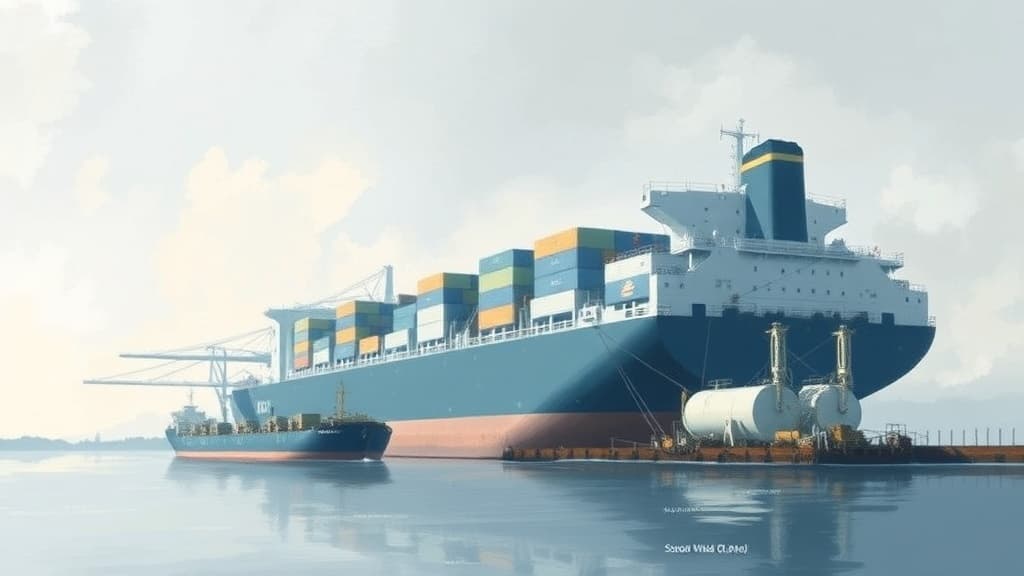
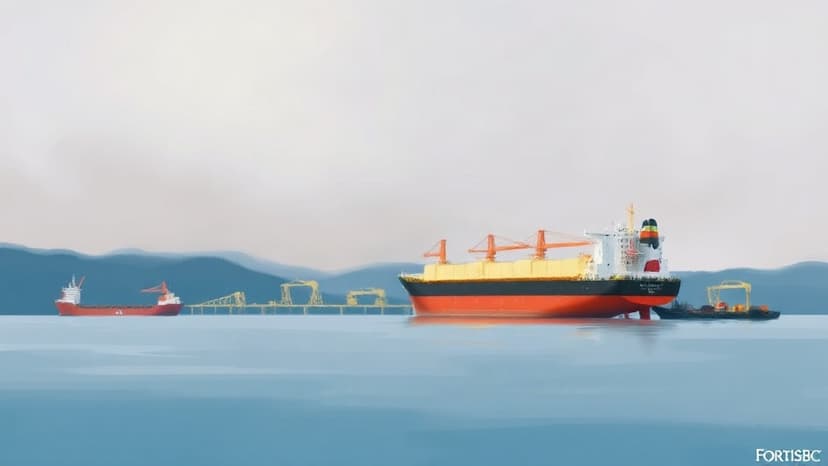
A DNV whitepaper indicates that low-GHG methane can utilize current LNG bunkering infrastructure, which has been enhanced over the past five years and is now available at major global bunker hubs. Approximately 800 LNG-capable vessels are operational, with 600 more on order, indicating a mature fleet ready for low-GHG transition.
However, regulatory clarity and competitive pricing remain critical challenges, as liquefied low-GHG methane costs significantly more than traditional LNG, with prices at major hubs like Rotterdam reaching $1,890/tonne compared to $710/tonne for LNG. The report projects that compliance with the FuelEU Maritime could create a demand of 2-11 million tonnes of low-GHG methane by 2040, with larger targets tied to the IMO NZF Base target potentially reaching 40-95 million tonnes. The industry's willingness to invest in low-GHG fuels will be key in addressing supply and pricing challenges.
Comments