
Emergence of Air-Transportable Nuclear Reactors: The WARD 250 and Its Implications
The WARD 250, a 5 MW air-transportable nuclear reactor developed by Valar Atomics, promises to transform energy distribution by eliminating dependence on water for cooling. This innovation enables rapid energy deployment in remote areas, enhancing economic development and resilience against natural disasters.
 Theia Market Signal Identification - AI Assisted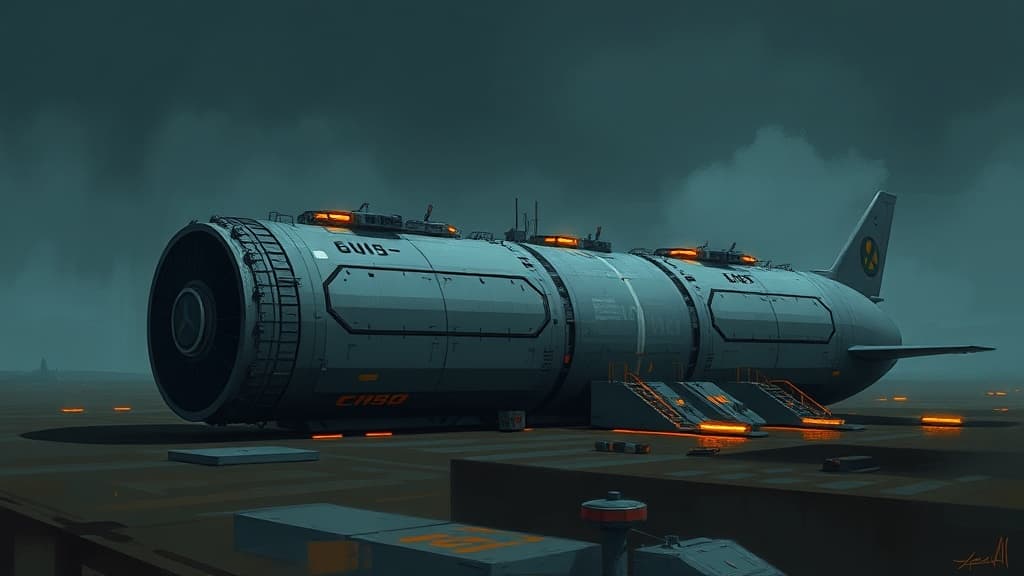
On February 18, 2026, the US Air Force transported the WARD 250, a micro-reactor that can power approximately 5,000 homes. Unlike traditional pressurized water reactors, the WARD 250 uses gas for cooling, allowing deployment in regions without access to large water bodies.
This shift to air-transportable reactors represents a significant change in energy logistics, potentially enabling swift governmental intervention in energy-scarce areas. If these reactors achieve economies of scale, energy could become a global logistical asset rather than a localized commodity, impacting infrastructure development and energy accessibility in remote regions. The emergence of gas-cooled, modular reactors could also address the high energy demands of data centers without straining local water resources.




Comments