
Energy Recovery from Waste in Rio de Janeiro's Favelas: A Sustainable Solution
In Complexo do Alemão, Rio de Janeiro, an estimated 80 to 206 tons of waste are produced daily, with improper waste collection posing health risks. However, transforming this waste into biomethane gas presents an opportunity for energy generation, economic benefits, and improved sanitation. Successful models in Brazil and Europe demonstrate the feasibility of waste-to-energy initiatives. Adopting such strategies could empower local residents and enhance sustainability in favelas.
 Theia Market Signal Identification - AI Assisted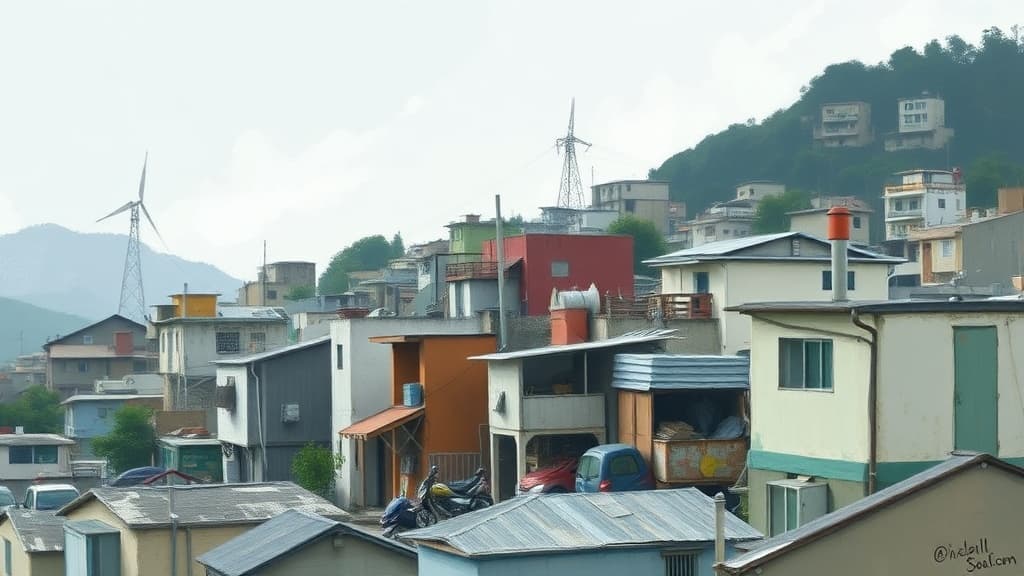
Complexo do Alemão in Rio de Janeiro generates between 80 and 206 tons of waste daily, but collection services are inadequate. Waste mismanagement leads to health hazards from disease vectors. Transforming waste into biomethane gas offers a solution by generating clean energy and providing economic benefits.
Examples from Rio, like Gás Verde S.A. and Guatapará, show successful waste-to-energy initiatives. A proposed community-based model could empower residents, turning waste into a renewable energy source while addressing environmental and health issues. The ethanol and agro-industrial sectors in Brazil also have substantial biogas production potential, emphasizing the need for sustainable waste management and energy solutions.


Comments