
Eon Systems Develops Virtual Brain of Fruit Fly, Raising Ethical Concerns in AI and Robotics
Eon Systems, a U.S. startup, has successfully simulated a fruit fly's brain, demonstrating that a digital representation can exhibit real behavior in a virtual environment. The project maps neural connections to create adaptive responses, raising questions about the implications of creating autonomous systems that learn and evolve. While advancements in AI and computing power progress, global issues such as poverty and malnutrition persist, highlighting a disparity in technological advancement and humanitarian efforts.
 Theia Market Signal Identification - AI Assisted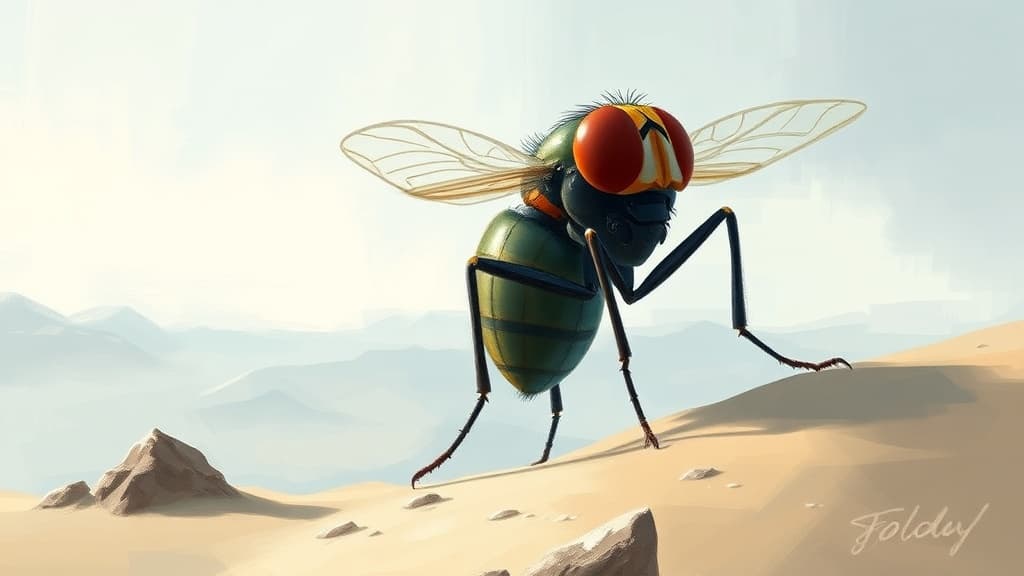
Eon Systems has created a virtual brain simulation of a fruit fly, which successfully exhibits learning and adaptive behavior in a digital environment. This project aims to show that a detailed map of neural connections can lead to real behavioral outcomes.
The simulated brain contains approximately 125,000 neurons, far fewer than the 86 billion in a human brain, indicating that significant advancements are still needed. Current research is expanding to more complex organisms, suggesting that these systems may develop unpredictable behaviors.
Coupled with advanced AI and computing power, there is potential for creating autonomous machines that could redefine human existence. Meanwhile, global challenges like extreme poverty and malnutrition remain pressing issues, with over 700 million people affected, underscoring the disconnect between technological innovation and humanitarian needs.



Comments