
EU Achieves Historic Renewable Energy Milestone Amid Challenges for 2026
In 2026, the EU produced more electricity from wind and solar than fossil fuels for the first time. Despite this breakthrough, challenges remain, including increased gas dependence and volatile energy prices. The EU plans to prohibit Russian gas imports by 2027 while managing new dependencies on LNG from the USA. Investment in energy is expected to decline by 4% in 2026 after reaching a record high in 2025. Additionally, AI's growing energy demands are creating competition for electricity supply, particularly in data centers.
 Theia Market Signal Identification - AI Assisted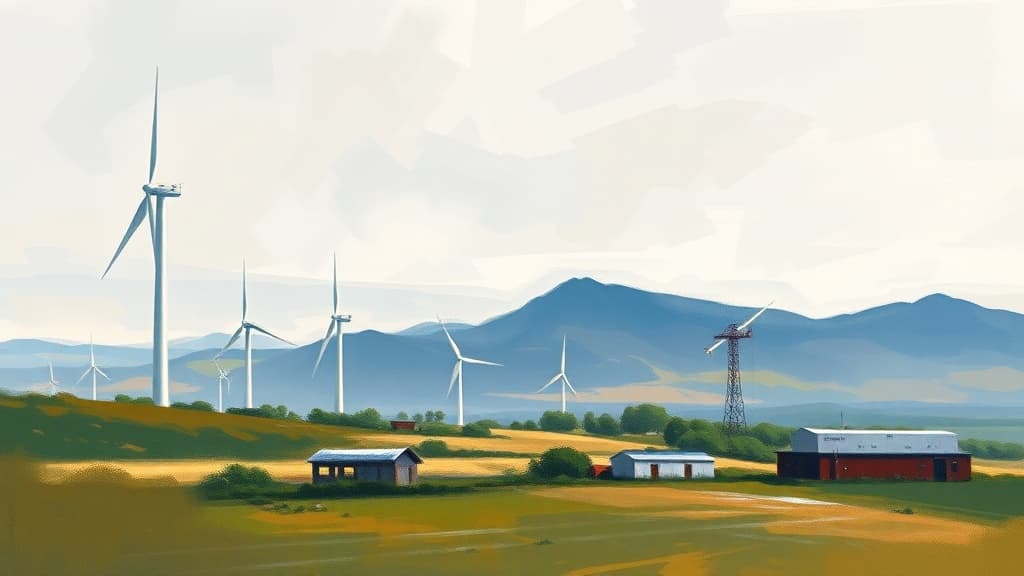
In 2026, the EU marked a historic shift as wind and solar energy production surpassed fossil fuel generation for the first time. Coal usage dropped to a historic low, yet gas dependence persists, with a 16% rise in fossil gas import costs due to increased gas imports and reduced hydropower.
The EU agreed to ban Russian gas imports by 2027, but new dependencies on US LNG have emerged. Investment in energy is projected to fall by 4% to $1,580 billion in 2026, despite the urgent need for sustainable investments. Additionally, AI's energy consumption is intensifying competition for electricity, especially in data centers, while oil inventories increased significantly, suggesting a continued supply surplus in 2026.



Comments