
EU-Africa Renewable Energy Partnership: Trends and Implications
The EU aims to enhance its energy collaboration with Africa, particularly in renewables, as the continent seeks to harness its vast energy potential. With Africa holding 39% of global renewable energy potential and a surge in solar imports, strategic investments and partnerships may bolster both regions' energy security and economic growth.
 Theia Market Signal Identification - AI Assisted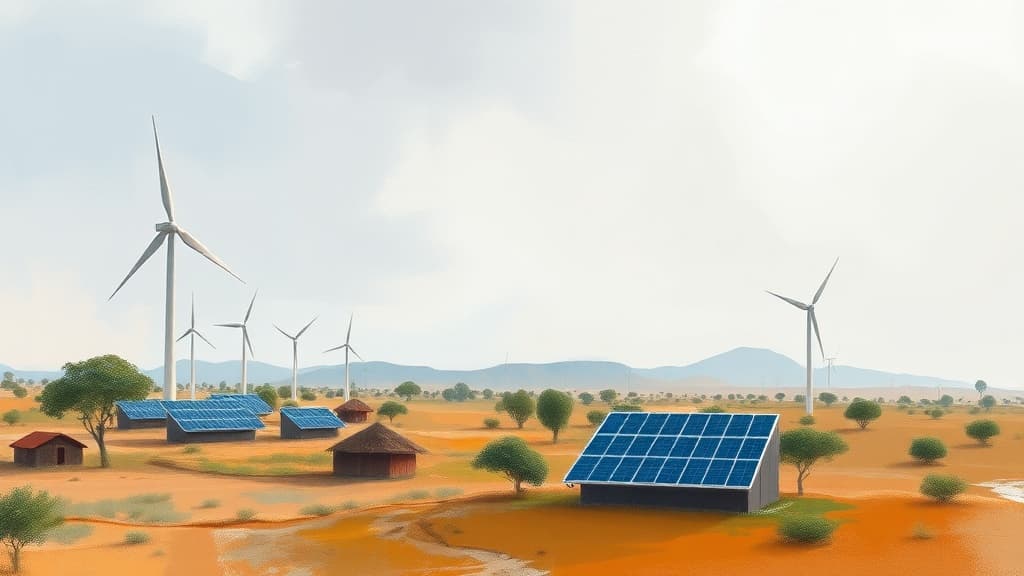
The EU is positioned to strengthen its energy partnership with Africa at a crucial juncture in global energy dynamics. Africa accounts for 39% of global renewable energy potential and is experiencing a significant rise in solar panel imports, which increased by 60% in 2025 compared to the previous year.
Countries like South Africa and Nigeria lead in solar uptake, with Nigeria alone utilizing approximately 22 million small generators. Renewable investment remains limited, with a historical focus on fossil fuels exacerbating energy access issues.
The EU can support this transition through the Global Gateway by promoting wind and hydropower initiatives and enhancing infrastructure integration. Such collaboration could yield mutual economic benefits, as expanding Africa's energy capacity aligns with EU interests in sustainability and energy security.



Comments