
Exploring the Feasibility of Nuclear Weapons Igniting Earth's Atmosphere
The concept of nuclear weapons igniting the atmosphere arose during the Manhattan Project, particularly discussed by Edward Teller and others. Initial fears were based on the potential for chain reactions in atmospheric nitrogen. Calculations by physicists including Hans Bethe and Emil Konopinski ultimately concluded that ignition was impossible. Although concerns persisted, including a famous bet by Enrico Fermi, no nuclear test has ever ignited the atmosphere. Skepticism continues, but scientific consensus deems such scenarios unlikely.
 Theia Market Signal Identification - AI Assisted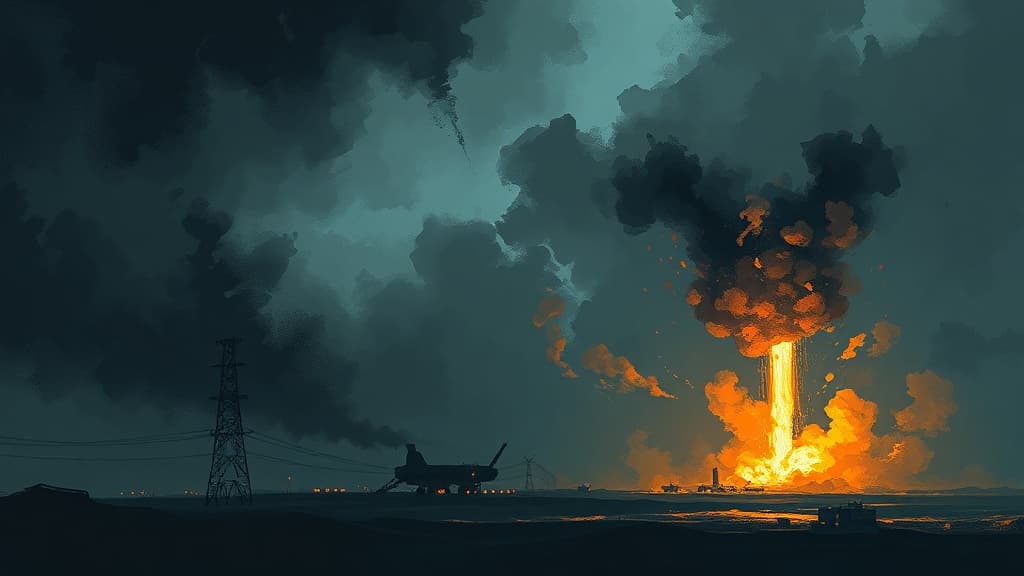
The idea of nuclear weapons igniting the atmosphere emerged during the Manhattan Project, particularly around the Trinity test in 1945. Fears stemmed from discussions among scientists like Edward Teller about potential chain reactions in nitrogen.
However, calculations led by Hans Bethe and Emil Konopinski confirmed that atmospheric ignition was impossible. Despite Enrico Fermi's famous bet suggesting otherwise, since the first atomic bomb test, no nuclear explosion has ignited the atmosphere. Ongoing debates about nuclear fallout shifted focus over time, but scientific consensus remains that atmospheric ignition cannot occur.

Comments