
F-35A Receives Nuclear Certification for B61-12 Bomb, Enhancing NATO's Deterrence Strategy
The F-35A Lightning II has achieved nuclear certification, enabling it to deploy the B61-12 thermonuclear bomb. This marks a significant development in NATO's military capabilities and nuclear deterrence strategy. The integration involved the F-35 Joint Program Office, Sandia National Laboratories, and the U.S. Air Force. The B61-12, featuring a 'dial-a-yield' capability, can be deployed from the F-35A, allowing it to penetrate advanced air defenses. This operational capability is seen as a counter to Russian military posturing and enhances the U.S. Air Force's strategic position in the Indo-Pacific region.
 Theia Market Signal Identification - AI Assisted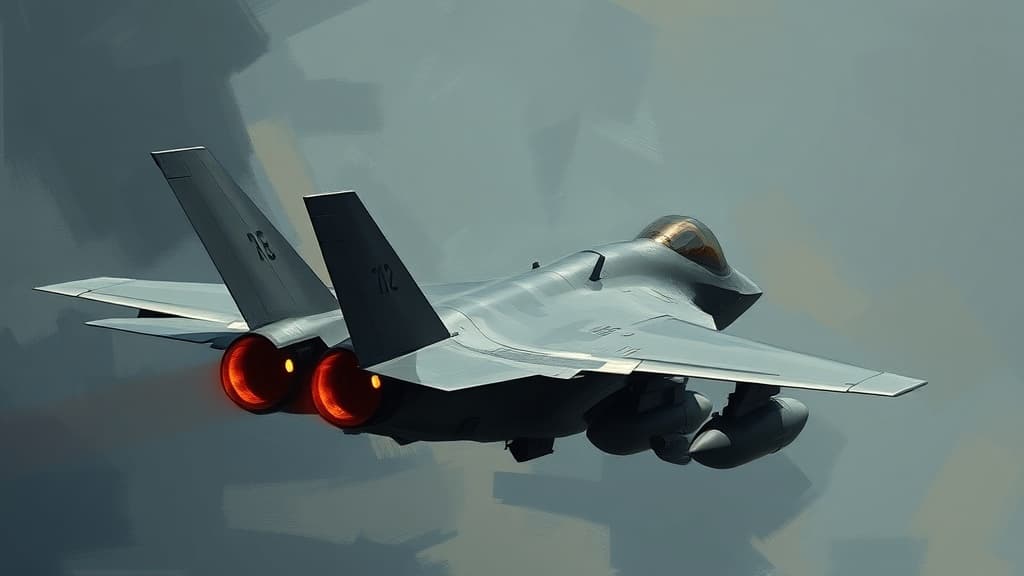
The U.S. military has certified the F-35A Lightning II for the deployment of the B61-12 thermonuclear bomb, enhancing NATO's nuclear deterrence strategy. This certification results from a decade of collaboration among the F-35 Joint Program Office, Sandia National Laboratories, and the U.S.
Air Force. The B61-12 includes a guidance system for improved accuracy and can be carried internally by the F-35A, maintaining its stealth profile. The timing is significant amid rising tensions with Russia, and the certification allows NATO to counter advanced Russian air defense systems.
The integration supports U.S. military operations in the Indo-Pacific, complicating Chinese defense strategies. Financial concerns surrounding the B61-12 program, estimated at over $10 billion, highlight the ongoing debate about nuclear weapons' roles in modern warfare.




Comments