
FuelEU Framework Impacts LNG Sector with Compliance Strategies and Revenue Opportunities
The FuelEU framework imposes greenhouse gas intensity limits on maritime fuels in EU waters, creating compliance challenges and revenue opportunities for LNG operators. While LNG currently offers a financial advantage through surplus from boil-off, tightening GHG limits every five years may jeopardize long-term charters. Operators are encouraged to adopt strategies such as internal pooling of vessels and exploring alternative fuels to navigate compliance and maximize revenue.
 Theia Market Signal Identification - AI Assisted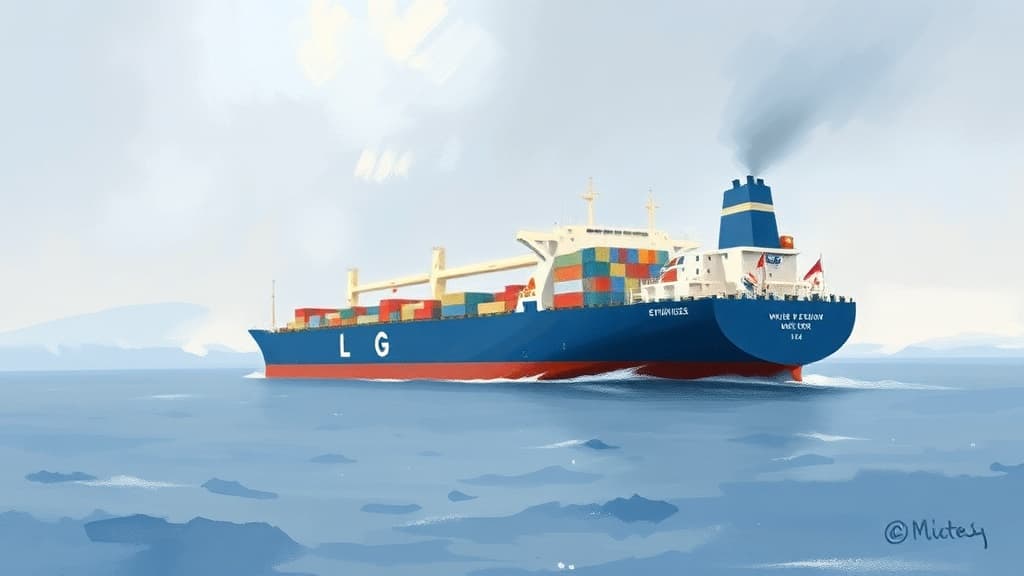
FuelEU imposes greenhouse gas (GHG) intensity limits on fuels used by ships in EU waters, creating financial penalties for non-compliance unless mitigated through flexibility mechanisms. LNG is currently a lower GHG intensity fuel, allowing LNG carriers to potentially generate a surplus from fossil LNG boil-off.
However, as GHG limits tighten every five years, long-term charters may risk turning surplus into deficit. LNG operators must assess charter lengths and sector operations to manage compliance and revenue generation effectively.
Strategies include utilizing over-compliant vessels as surplus anchors to pool with under-compliant vessels. Following 2030, fossil LNG consumption is unlikely to yield surplus anchors, necessitating alternative solutions like liquid biofuels. Internal pooling arrangements can mitigate costs across fleets by transferring surplus to reduce deficits, while operators may explore selling surplus to third parties as market conditions develop.



Comments