
Geo-Economics Replaces Geopolitics as Key Power Dynamic in Global Trade
Power struggles have shifted from military might to geo-economics, focusing on trade, technology, and supply chains. The IMF warns that global trade fragmentation could reduce GDP by up to 7%. Key industries like semiconductors and AI are now critical for national security, with control concentrated in specific regions. Governments are increasingly using industrial policy to secure technological dominance and resilience in supply chains, reflecting a new era where economic influence is paramount.
 Theia Market Signal Identification - AI Assisted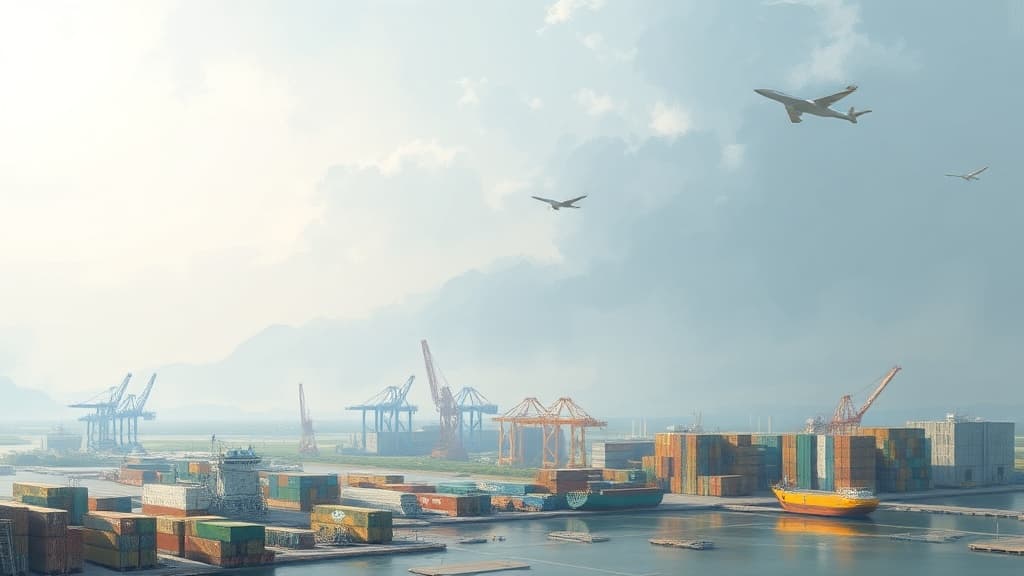
The global power dynamic is transitioning from traditional geopolitics to geo-economics, emphasizing trade, technology, and supply chains. The IMF estimates that a fragmented global trade system could cost the world economy up to 7% of GDP.
Critical industries such as semiconductors and artificial intelligence have become central to national security, with significant capacity concentrated in Taiwan and the U.S. Governments are deploying over $3 trillion in industrial policy to secure technological control, reshaping global supply chains around geopolitical considerations. This shift marks a new era where economic influence supersedes military might.


Comments