
Geothermal Energy: A Sustainable and Renewable Resource for the Future
Geothermal energy, derived from the Earth's internal heat, is a vital renewable resource essential for the global shift towards sustainable energy. Continuously replenished by radioactive decay and residual heat from the planet's formation, it provides a stable power supply unlike finite fossil fuels. This environmentally friendly energy source is not only suitable for electricity generation but also for direct heating applications, positioning it as a promising alternative in the fight against climate change. Discover how geothermal energy can transform our energy landscape and contribute to a sustainable future.
 Theia Market Signal Identification - AI Assisted
Geothermal energy, originating from the Earth's internal heat, represents a compelling renewable resource that can play a crucial role in the global transition to sustainable energy. This energy source is continuously replenished by the natural decay of radioactive materials and the residual heat from the Earth's formation. Unlike fossil fuels, which are finite and environmentally damaging, geothermal energy offers a stable and consistent power supply, making it a viable alternative for electricity generation and direct heating applications.
Geothermal energy can be harnessed primarily through three types of power plants: dry steam, flash steam, and binary cycle systems. Each method extracts steam or hot water from underground reservoirs, with varying environmental impacts.
While the extraction process does produce some greenhouse gases, the emissions are significantly lower than those from fossil fuel plantságeothermal facilities emit around 10% of the carbon dioxide generated by traditional natural gas power plants. Furthermore, when managed sustainably, geothermal reservoirs can be replenished, ensuring long-term viability.
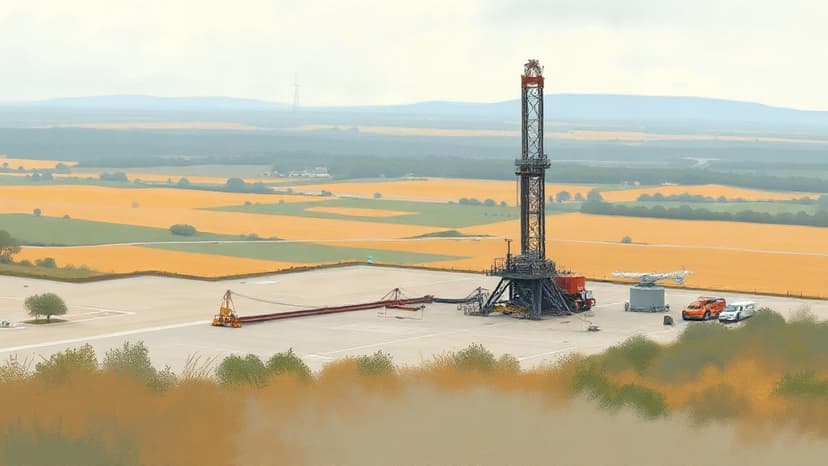
The environmental footprint of geothermal energy is notably minimal. Geothermal plants occupy less land than wind or solar farms and produce lower greenhouse gas emissions. However, challenges remain, such as the high initial capital investment required for drilling and the geographical limitations of suitable sites. Technological innovations, particularly Enhanced Geothermal Systems (EGS), are addressing these challenges by enabling energy extraction from previously inaccessible areas.
Countries like Iceland, the Philippines, and the United States are leading the way in geothermal energy utilization, showcasing its potential to significantly reduce carbon emissions and enhance energy independence. As governments worldwide implement supportive policies and incentives, the geothermal sector is expected to expand, providing local job opportunities and economic stability.
In conclusion, geothermal energy stands firmly as a renewable resource with the capability to contribute to a sustainable energy future. Its consistent availability, low environmental impact, and adaptability to various applications underscore its importance in reducing reliance on fossil fuels and combating climate change. As the world shifts towards cleaner energy solutions, geothermal energy is poised to play a pivotal role in achieving global sustainability goals.



Comments