
Germany and Netherlands Progress on Cross-Border Hydrogen Pipeline Amid Regulatory Challenges
Germany and the Netherlands are advancing a hydrogen pipeline project, having overcome a technical hurdle, but still face regulatory and certification challenges. The joint development agreement between Gasunie, Thyssengas, and Gasunie Deutschland aims to utilize existing natural gas infrastructure to facilitate hydrogen transport, which is crucial for a functioning Northwest European hydrogen market. While the project could significantly reduce costs, its progression will depend on regulatory alignment and market demand.
 Theia Market Signal Identification - AI Assisted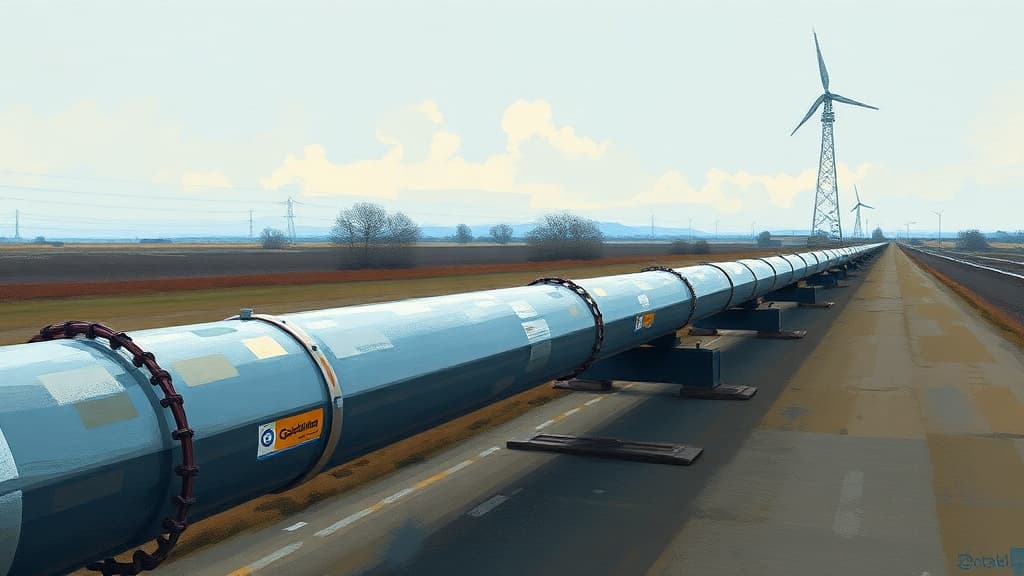
A proposed hydrogen pipeline linking Germany and the Netherlands has cleared a technical hurdle but faces regulatory, certification, and timeline constraints. Gasunie, Thyssengas, and Gasunie Deutschland have entered a joint development agreement to create the first cross-border hydrogen transport infrastructure, primarily utilizing existing natural gas assets.
The operators aim to establish interconnection points at Oude Statenzijl and Vlieghuis. The project, part of a broader North Sea energy integration, is seen as essential for a functional Northwest European hydrogen market.
However, regulatory alignment and market rules are needed alongside pipeline development. The conversion of existing gas pipelines to hydrogen service could reduce costs by 60% to 80%. Construction schedules, capital costs, and procurement strategies remain undisclosed, and the project is expected to progress in phases, contingent on demand growth and national approvals.

Comments