
Germany to Build First Commercial Fusion Power Plant by 2030s with €2.4 Billion Funding
Germany's federal government plans to invest €2.4 billion by 2029 in a fusion power plant, aiming for operational status by the late 2030s. The initiative raises concerns regarding its efficacy and reliance on private-sector innovation over fundamental research.
 Theia Market Signal Identification - AI Assisted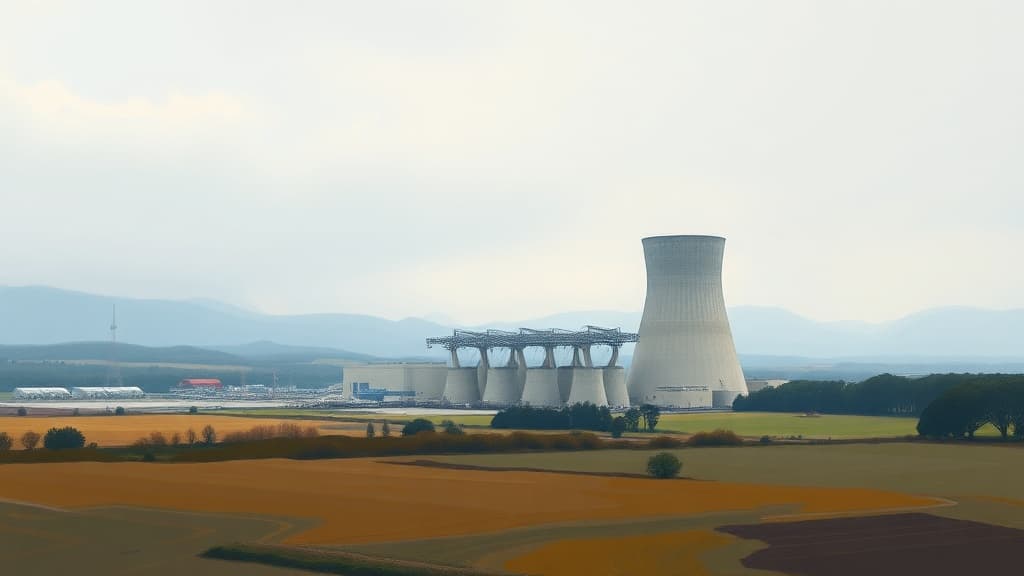
Germany intends to establish the world's first commercially viable fusion power plant by the end of the 2030s, supported by a €2.4 billion investment from the federal government by 2029. Critics argue that the Fusion Action Plan may prioritize ideological goals over technological advancement, suggesting that it may not fulfill its objectives and instead benefit select companies.
Key assumptions behind the plan include the belief that private firms can innovate faster than research institutions and that prior funding failures stem from inadequate openness to technology. However, many startups in fusion technology rely heavily on decades of government-funded research.
Significant challenges remain, such as developing materials that can withstand extreme conditions in reactors, which may result in costs being borne by the public while profits are privatized. Furthermore, while promising breakthroughs in laser fusion technology have been made, substantial progress is still required before energy generation becomes feasible. The projected timeline for operational fusion power remains uncertain, with experts estimating viability only by 2050, raising questions about the plan's alignment with urgent climate goals.

Comments