
Germany to Reduce Renewable Energy Subsidies Amid Solar Output Surge
Germany is set to reform its renewable energy subsidy structure by 2027, introducing measures to stabilize its power grid in response to increased solar generation. This shift could impact investments in solar and wind projects as the country aims for an 80% renewable share in electricity consumption by 2030.
 Theia Market Signal Identification - AI Assisted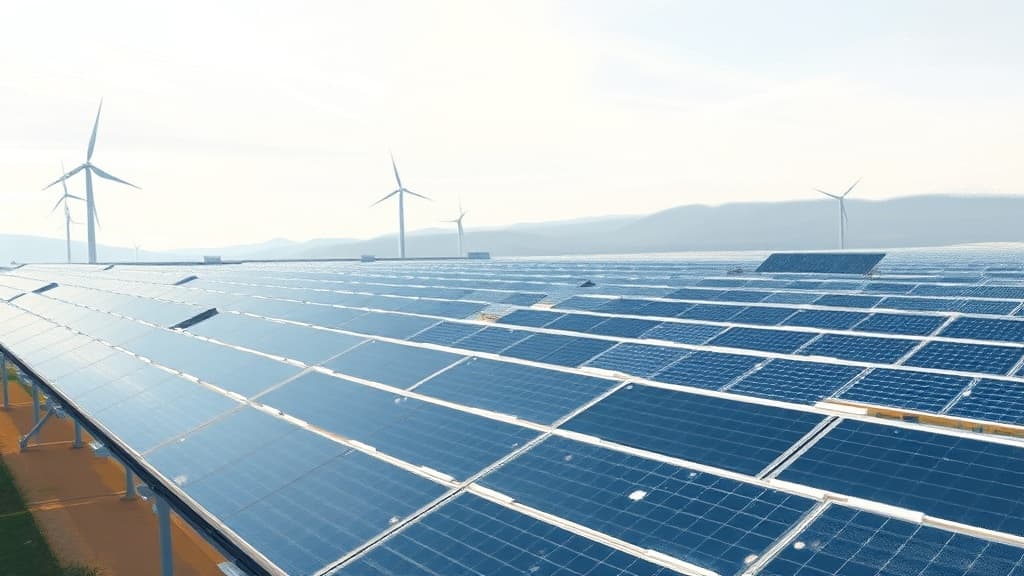
Germany's Economy Ministry plans to revise renewable energy subsidies significantly by 2027, implementing a cap on subsidies and introducing a clawback mechanism. The proposed changes are a response to the strain on the power grid caused by rising solar output, which has led to bottlenecks and necessitated generation curtailments.
Fixed feed-in tariffs will be phased out, and new projects must pair with battery storage to align with demand. The state is projected to spend approximately €16 billion (US$18.3 billion) on renewable support in 2026, with additional payments for curtailed generation reaching €3 billion (US$3.4 billion). This overhaul may slow investment in new projects, impacting Germany's goal to increase renewables to 80% of gross electricity consumption by 2030.


Comments