
Impact of U.S.-Iran Conflict on Naval Operations and Global Trade
The ongoing conflict with Iran has led to significant operational strain on the U.S. Navy, with considerable expenditure of munitions and a notable impact on global shipping. The closure of the Strait of Hormuz is disrupting not only oil exports but also food production, particularly in developing countries, raising concerns about sustained price increases and potential shortages.
 Theia Market Signal Identification - AI Assisted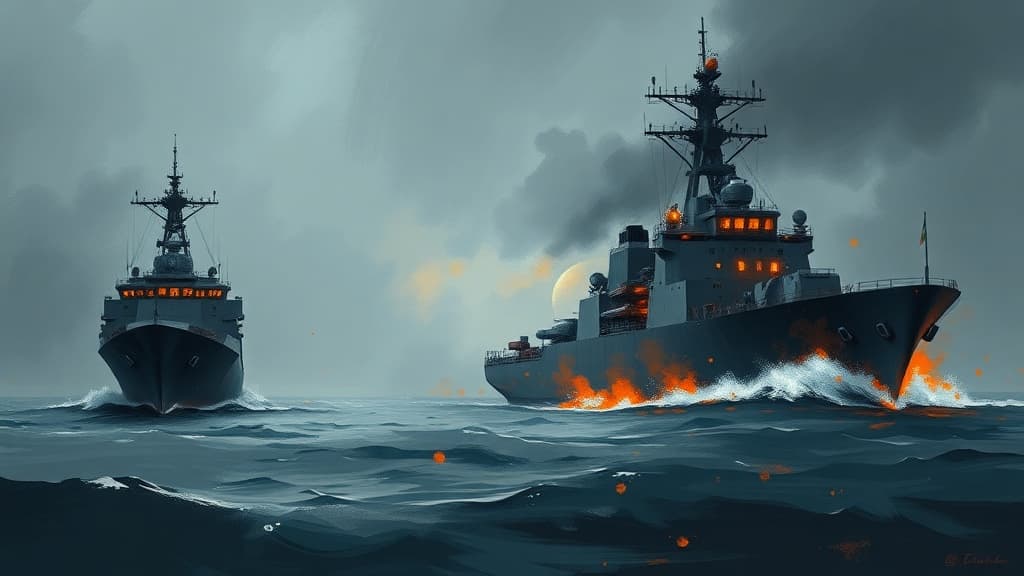
The U.S. Navy faces substantial operational challenges amid the ongoing conflict with Iran, marked by a depletion of munitions including 27% of Tomahawk missiles and significant costs estimated at $28-35 billion over 38 days of operations.
The closure of the Strait of Hormuz has disrupted shipping routes, impacting global food and energy supplies, exacerbating economic hardships in developing nations like the Philippines, and escalating food prices due to reduced fertilizer availability. The U.S.
Navy's operational burden is exacerbated by a lack of mine countermeasures and declining alliances, as the war strains resources and affects military readiness. The United Arab Emirates' exit from OPEC adds further complexity to the oil market amidst these disruptions. The conflict's protraction raises risks of regional escalation and challenges in U.S. diplomatic relations.


Comments