
India Achieves 50% Non-Fossil Power Generation Capacity in 2025, Exceeding 2030 Target
In 2025, India achieved a landmark 50% of its installed electricity capacity from non-fossil sources, exceeding its 2030 target by reaching approximately 507 GW. This growth, driven primarily by solar energy, resulted in a 225% increase in non-fossil capacity since 2014, alongside significant advancements in wind and biopower. The transition to clean energy has also led to substantial savings of nearly ₹4 lakh crore ($46 billion) in fossil fuel and pollution-related costs.
 Theia Market Signal Identification - AI Assisted
In 2025, India reached a significant milestone by achieving 50% of its installed electricity capacity from non-fossil sources, surpassing its 2030 target of 500 GW by reaching approximately 507 GW. This represents a 225% increase in total non-fossil capacity, which grew from 81 GW to 263 GW since 2014.
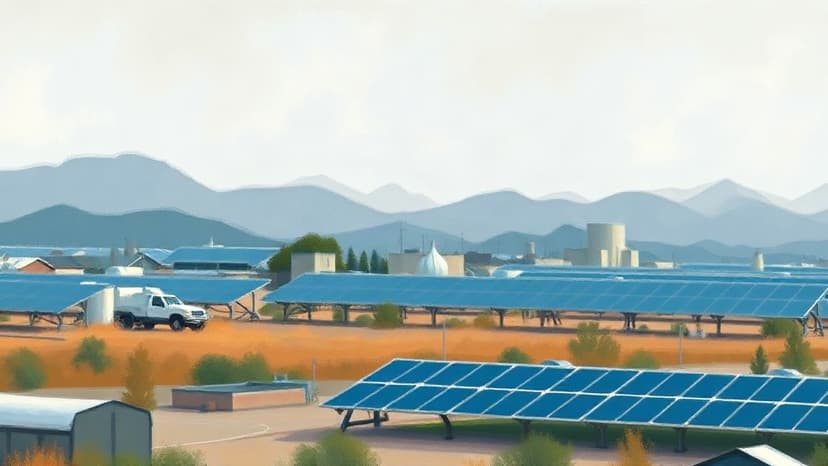
Solar energy led this expansion, increasing from 2.8 GW to 133 GW, aided by government initiatives like the PM Surya Ghar: Muft Bijli Yojana. Wind energy also grew from 21 GW to 54 GW, while biopower capacity rose from 8.1 GW to 12 GW.
India became the third-largest contributor to global solar capacity additions between 2022 and 2024, adding 46 GW. The country's solar module manufacturing capacity surged from 2 GW to 123 GW. India's clean energy transition has resulted in savings of nearly ₹4 lakh crore, or $46 billion, in fossil fuel and pollution-related costs.

Comments