
India Expands Compressed Bio Gas Network to 132 Operational Plants
India's Ministry of Petroleum and Natural Gas has expanded its Compressed Bio Gas (CBG) network to 132 operational plants, producing 920 tons of cleaner-burning fuel daily under the SATAT program. The initiative, which utilizes agricultural residue and organic waste, aims to replace conventional natural gas while providing income opportunities for rural communities. State-run oil and gas companies are committed to purchasing and distributing the CBG output, with private developers encouraged to invest in new facilities.
 Theia Market Signal Identification - AI Assisted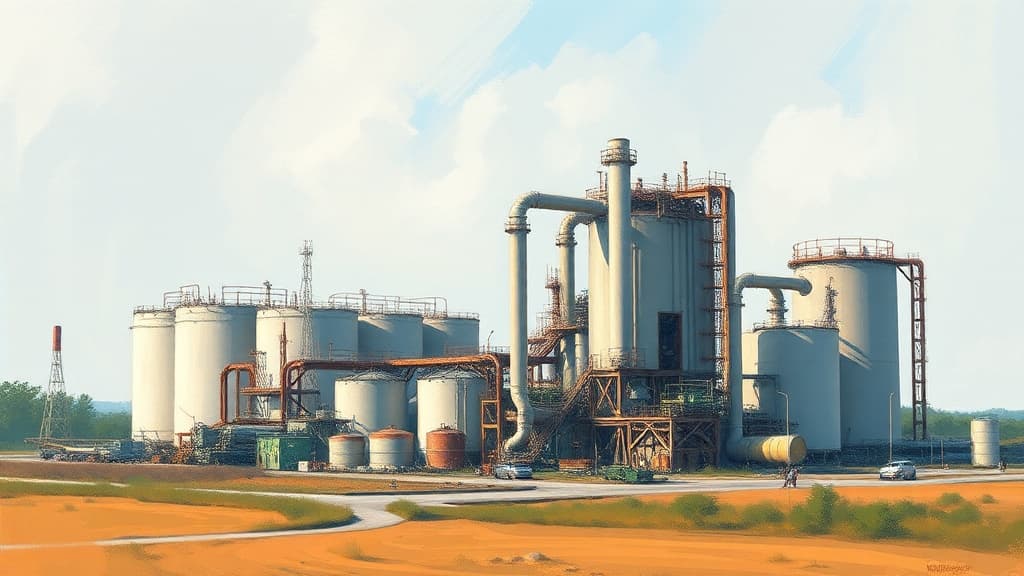
India's Ministry of Petroleum and Natural Gas expanded its Compressed Bio Gas (CBG) ecosystem to 132 operational plants, producing 920 tons of fuel daily under the SATAT program. The initiative uses agricultural residue and organic waste to create cleaner-burning gas.
State-run oil and gas marketers, including Indian Oil, Bharat Petroleum, and Hindustan Petroleum, are committed to purchasing and distributing the output. The CBG facilities process local biomass into gas that can replace conventional natural gas.
Private developers are encouraged to build plants under long-term offtake agreements to de-risk investments. The rollout provides broader access to lower-emission fuel and creates income streams for rural communities by selling waste feedstock.




Comments