
India Unveils First National Geothermal Energy Policy to Boost Clean Energy Efforts
India has launched its first national policy on geothermal energy, aiming to incorporate this renewable resource into its energy mix as part of its commitment to achieving net zero emissions by 2070. The policy emphasizes research and development, financial incentives, and collaboration with international bodies to overcome challenges such as high upfront costs. It aims to create a supportive ecosystem for public and private stakeholders while facilitating the exploration and utilization of geothermal resources. The initiative also includes pilot projects and a focus on integrating geothermal energy with other renewable sources.
 Theia Market Signal Identification - AI Assisted
In a significant stride towards its clean energy ambitions, India has announced its inaugural national policy on geothermal energy, marking a pivotal moment in the nation's renewable energy landscape. This policy, introduced by the Ministry of New and Renewable Energy (MNRE), aims to integrate geothermal energy into India's renewable mix, aligning with its goal of achieving net zero emissions by 2070. By tapping into the Earth's natural heat, geothermal energy promises a reliable source of electricity capable of providing continuous power and enhancing grid stability, especially in remote areas.
Central to the policy is a commitment to research and development, focusing on improving geothermal exploration and drilling techniques. It promotes innovative geothermal applications such as ground source heat pumps for heating and cooling, which can benefit agricultural practices and building energy efficiency. The government envisions a collaborative approach, partnering with international organizations and research institutions to adopt best practices in geothermal development.
Despite its potential, geothermal energy faces challenges, notably high initial costs and exploration risks. To mitigate these, the policy proposes various financial support mechanisms, including concessional long-term loans and viability gap funding.
Additionally, it introduces fiscal incentives like exemptions on import duties and GST for geothermal equipment, aimed at stimulating investments in the sector. The MNRE has also established a single-window system to streamline permissions and approvals, encouraging states to designate nodal agencies for efficient project clearances.
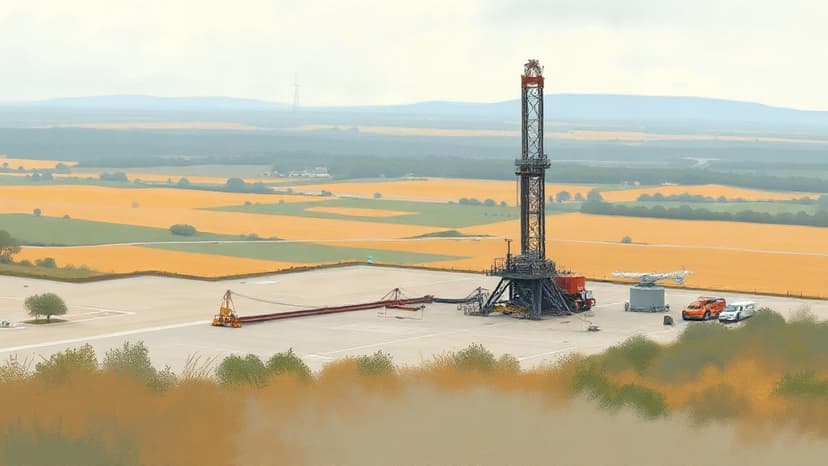
A noteworthy aspect of the policy is the suggestion to repurpose abandoned oil and gas wells for geothermal production, which could capitalize on existing infrastructure to reduce costs. Furthermore, it allows for the extraction of valuable minerals such as silica and lithium, adding an economic dimension to geothermal projects. The MNRE is set to act as the nodal agency for implementing this policy, with plans to establish centers of excellence for technical guidance and capacity building.
As India embarks on this journey to harness its untapped geothermal resources, the policy lays out a comprehensive framework for exploration and utilization. It aims to complement the nation’s achievements in solar and wind energy, adding a consistent, clean energy source to its portfolio. The initiative is designed not only to generate electricity but also to support applications in district heating, agriculture, aquaculture, and more.
The policy promotes inter-ministerial collaboration and the adoption of global best practices, ensuring that regulatory and stewardship responsibilities are clearly defined within the MNRE. It focuses on integrating geothermal energy into broader energy objectives, targeting applications that range from electricity generation to tourism and desalination.
In its initial phase, the MNRE has sanctioned five geothermal projects to pilot initiatives and assess resource viability in various regions across India. The ministry remains committed to fostering a conducive environment for developers and researchers to fully engage in this clean energy transition, continually monitoring progress and adapting strategies as necessary.
By establishing geothermal energy as a cornerstone of its renewable strategy, India is poised to enhance its energy security and contribute significantly to its climate commitments. With this policy, the nation is not merely addressing the immediate energy needs but is also laying the groundwork for sustainable development that aligns with global energy trends and environmental goals.



Comments