
India's Smart Border Initiative: Risks of AI Surveillance Integration
India's Smart Border project aims to modernize 6,000 km of frontier defense with automated sensor grids and AI. However, risks include reliance on technology that may confuse data visibility with actual security resilience, exposing vulnerabilities in border defense systems.
 Theia Market Signal Identification - AI Assisted
India's initiative to upgrade 6,000 km of border defense involves integrating sensors, AI, and drones into a centralized system. This approach risks transforming physical borders into data-driven frameworks, potentially overlooking real security threats.
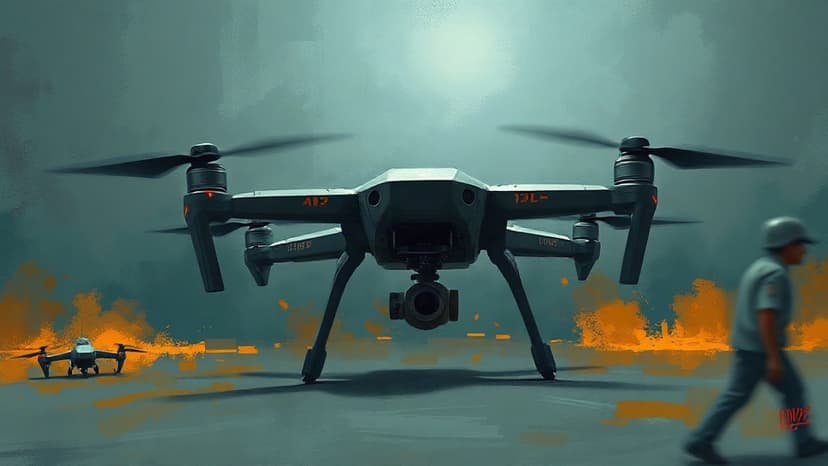
Recent challenges include combating narco-smuggling via UAVs, which have adapted quickly to evade detection. The reliance on automated systems can lead to alert fatigue and cognitive overload among operators, diminishing their situational awareness.
Additionally, the economic model of digital borders contrasts with traditional physical barriers, creating dependencies on global supply chains and introducing vulnerabilities during geopolitical tensions, such as licensing issues or supply restrictions. The balance between technology and human oversight is critical; reliance solely on automated systems may lead to operational lapses.



Comments