
Innovative Salt-Based Cooling System Reduces Electricity Demand
A new cooling technology developed at King Abdullah University utilizes ammonium nitrate and solar energy, significantly reducing reliance on electricity. This system, known as NESCOD, demonstrates potential for sustainable cooling solutions as global energy demands rise.
 Theia Market Signal Identification - AI Assisted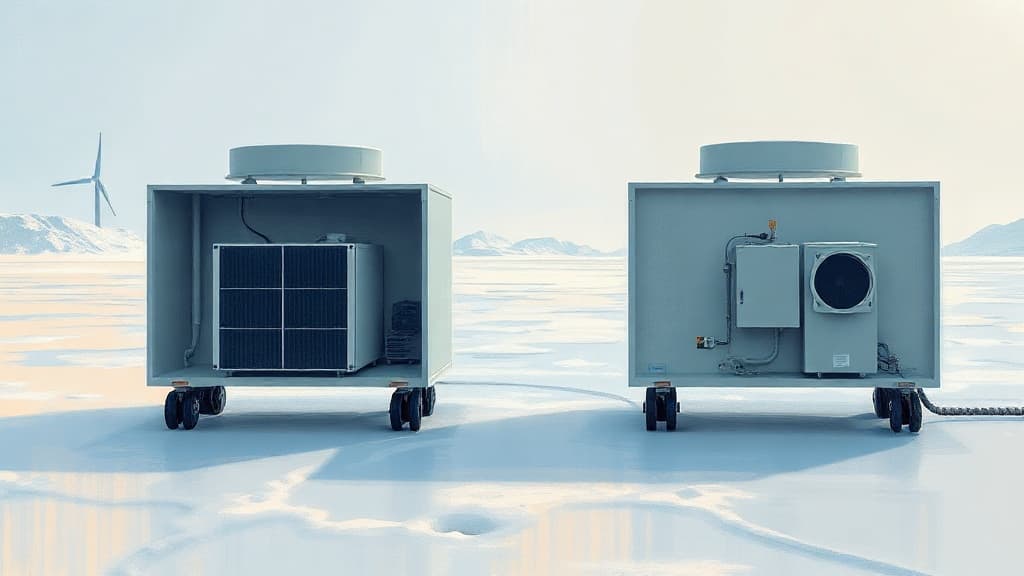
Researchers at King Abdullah University have developed NESCOD, a cooling system that employs ammonium nitrate and solar energy, aiming to mitigate the electricity consumption associated with traditional cooling methods, which account for nearly 20% of global electricity use in buildings. In laboratory tests, the system achieved cooling power of up to 191 watts per square meter, with temperatures dropping to -2.4°C in 20 minutes.
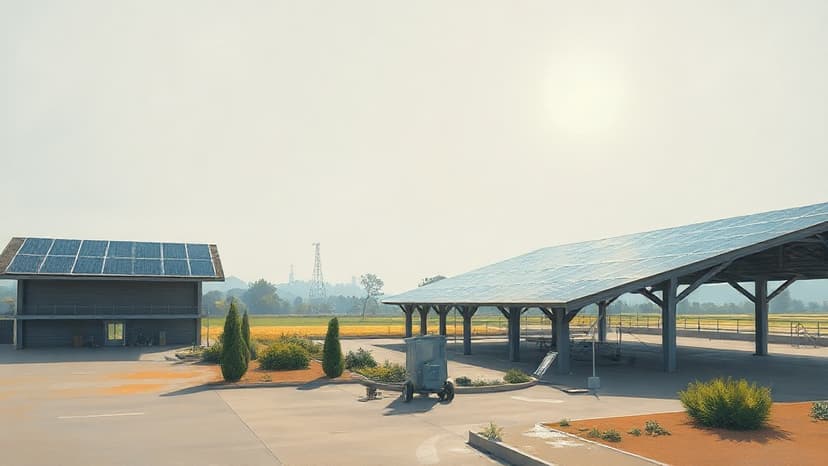
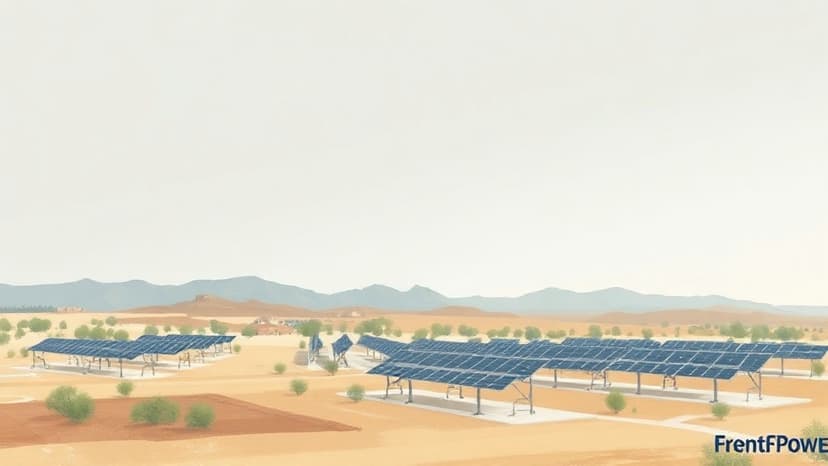
The process involves dissolving ammonium nitrate in water, an endothermic reaction that absorbs heat. A solar regenerator recovers the salt, achieving an evaporation rate of 2.2 kg/m² per hour. With projections indicating a potential tripling of energy demand for cooling by 2050, NESCOD could offer a passive alternative to conventional systems, supporting future energy efficiency goals.


Comments