
Iran Approves Blockade of Strait of Hormuz Amid Rising Tensions
Iran's Supreme National Security Council has approved a blockade of the Strait of Hormuz, led by the Iranian Navy, Air Force, and Islamic Revolutionary Guard Corps (IRGC). This strategic waterway, crucial for global oil transport, sees an average of 21 oil tankers daily, carrying approximately 17 million barrels, accounting for 35% of maritime oil transport. The blockade aims to respond to perceived threats, with military operations involving fast boats and submarines. The geopolitical implications could disrupt oil supplies to major consumers in East Asia.
 Theia Market Signal Identification - AI Assisted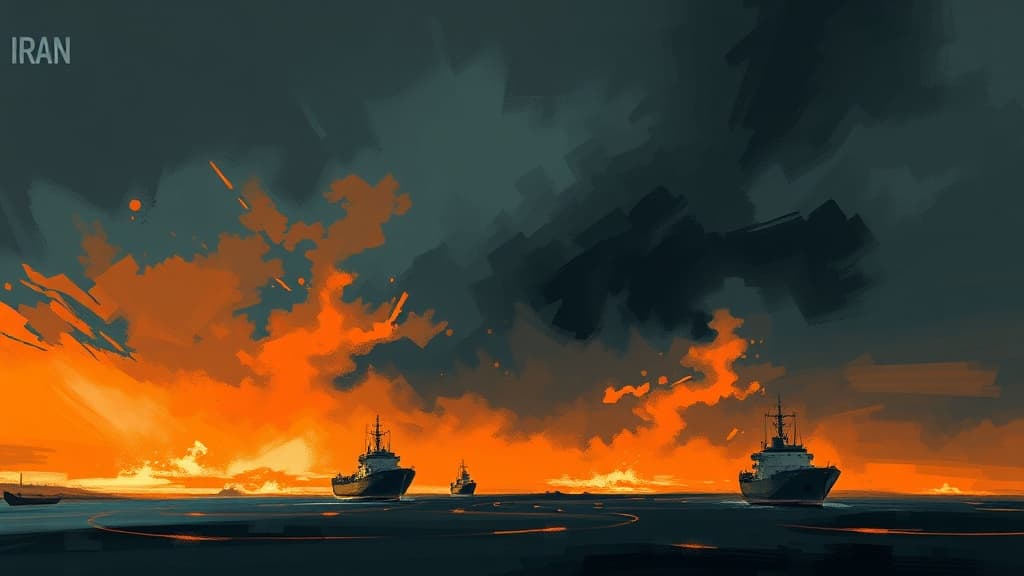
The Supreme National Security Council of Iran has authorized a blockade of the Strait of Hormuz, involving the Iranian Navy, Air Force, and Islamic Revolutionary Guard Corps (IRGC). This strait is vital for oil transport, averaging 21 tankers daily, transporting 17 million barrels which constitutes 35% of global maritime oil transport.
The blockade is a response to threats, utilizing fast boats and submarines. If implemented, it could severely disrupt oil supplies to East Asia, where countries like China, South Korea, and Japan rely heavily on Persian Gulf oil. The geopolitical consequences could escalate tensions in the region.




Comments