
John Crane Celebrates 50 Years of Dry Gas Seal Technology in Emission Reduction Efforts
John Crane's Type 28 dry gas seal, introduced in 1976, has transformed gas compression and is now crucial for decarbonization in the oil and gas sector. The technology eliminates oil systems, reducing fire risk and improving efficiency. Retrofits from wet to dry seals deliver immediate emissions reductions, as evidenced by a UAE project achieving a 97% cut in CO₂ emissions. As the UAE targets Net Zero by 2050, advancements in sealing technology, digital monitoring, and R&D for hydrogen and CO₂ applications are vital for sustainable operations.
 Theia Market Signal Identification - AI Assisted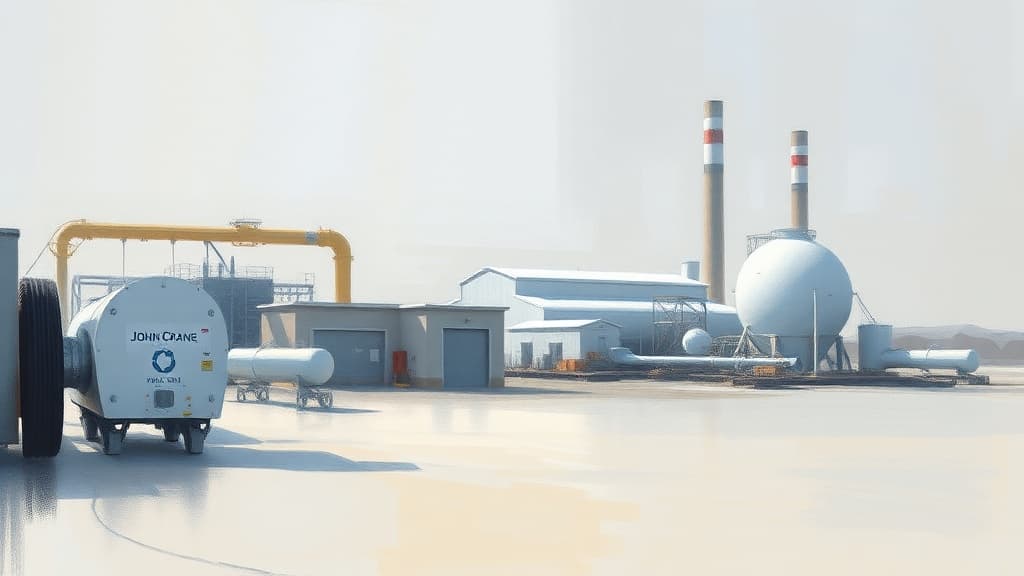
John Crane's Type 28 dry gas seal, first launched in 1976, has become pivotal in reducing emissions for oil and gas operators. The technology replaces oil-based seals, enhancing safety and efficiency while allowing compressors to operate at higher speeds.
Over 50 years, sealing technology has advanced to meet rising demands, improving performance under higher pressures and temperatures. Wet-to-dry seal retrofits are being deployed in the Middle East, offering immediate emissions reductions without major plant redesigns.
In a UAE case, retrofitting reduced CO₂ emissions by 97%. John Crane's R&D focuses on hydrogen and CO₂ sealing solutions and digital monitoring to support decarbonization efforts as the UAE aims for Net Zero by 2050.


Comments