
Kenya's Geothermal Energy Journey: Lessons from Turkey's Meteoric Rise
Since their geothermal initiatives began in 2000, Kenya has seen a decline in its leading position compared to Turkey, which now generates twice the installed capacity. Experts highlight high development costs and low electricity demand as key challenges for Kenya. Dr. Peter Omenda emphasizes the need for collaboration between public and private sectors, better financing options, and a strategic approach to expand electricity demand and cross-border trade to revitalize Kenya’s geothermal potential.
 Theia Market Signal Identification - AI Assisted
In the year 2000, both Kenya and Turkey embarked on their geothermal exploration and power generation journeys. By 2003, Kenya had established itself as the leader, boasting a greater installed capacity than Turkey. Fast forward to today, and the dynamics have shifted dramatically; Turkey has surged ahead, generating twice the installed capacity of its East African counterpart.
Kenya Electricity Generating Company (KenGen) currently has an installed generation capacity exceeding 1,000 megawatts, predominantly sourced from renewable energies, including hydro (826 MW), geothermal (799 MW), and wind (25.5 MW), with thermal sources contributing an additional 253 MW. Despite Kenya's steady growth, Turkey's rapid ascent raises critical questions about what factors contributed to its success, and where Kenya may have faltered.
At the recent Sustainable Energy Conference in Naivasha, geothermal and energy expert Dr. Peter Omenda shed light on the hurdles and missed opportunities that have hindered Kenya's progress. In his keynote address, "Harnessing Geothermal Energy and Renewable Integration for Climate Action and Grid Stability," he pointed out two significant obstacles: constrained electricity demand and the exorbitant costs associated with geothermal development.
Drilling a single geothermal well in Kenya can cost between $6 million and $7 million, and even then, there is no guarantee of steam production. This high financial barrier necessitates extreme caution in the development process.
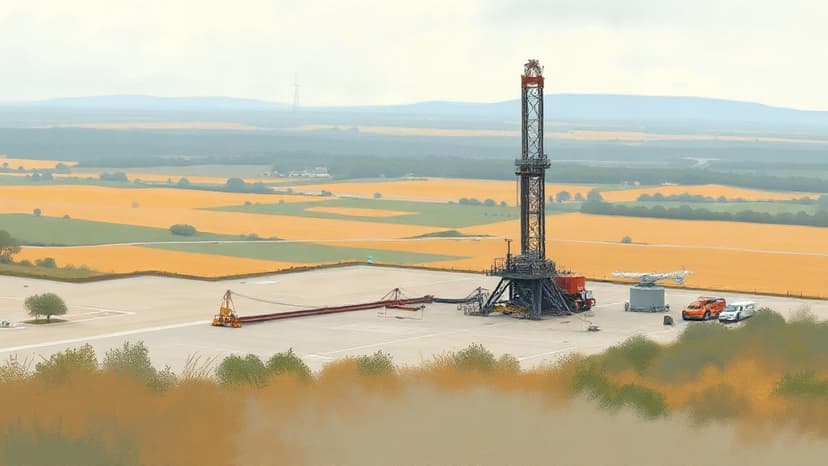
Currently, Kenya operates more than ten deep drilling rigs, and if fully utilized, these could add up to 200 MW of geothermal capacity each year, paving the way to reach 10,000 MW within the next decade. However, this ambitious expansion hinges on collaboration among KenGen, the Geothermal Development Company (GDC), and private sector players.
In contrast, Turkey's geothermal growth has largely been propelled by private sector involvement. Dr. Omenda noted that fostering public-private partnerships in Kenya could catalyze significant advancements in the sector.
While drilling costs in Kenya are steep, in Turkey, they are nearly half that, creating a more favorable environment for investment. The stringent banking regulations in Kenya further complicate matters, as private investors must present robust financial records to secure loans, effectively sidelining many potential contributors.
Despite these challenges, Kenya possesses immense geothermal potential, with rich sites spanning the Rift Valley, Nyanza, and coastal regions. Dr. Omenda emphasized that increasing electricity demand—potentially through cross-border power sales—could help unlock this potential. Kenya's geothermal narrative began in 1982, with a modest 15 MW output, and the country was a pioneer in the sector, maintaining a lead in Africa until recently.
Turkey's trajectory underscores the importance of effective policy, investment models, and financing structures, alongside resource potential. Adrian Mwai, Regional Director at Seriti Energy, reiterated this perspective, noting that investor confidence in African renewable projects relies heavily on sound policies.
To reclaim its geothermal leadership, Kenya must focus on reducing drilling costs, de-risking private investment, expanding electricity demand, and strengthening cross-border trade. With the right policies and active participation from the private sector, experts believe Kenya can fully harness its geothermal resources and unlock the vast potential hidden beneath its surface.


Comments