
Korea's Renewable Energy Challenges Amid ESS Fires and AI Goals
Korea aims to expand renewable capacity significantly by 2030, targeting 100 GW of solar and wind power. However, ongoing energy storage system (ESS) fires and infrastructure limitations complicate this ambition, raising concerns about the country's dual goals of renewable energy growth and becoming a leader in artificial intelligence.
 Theia Market Signal Identification - AI Assisted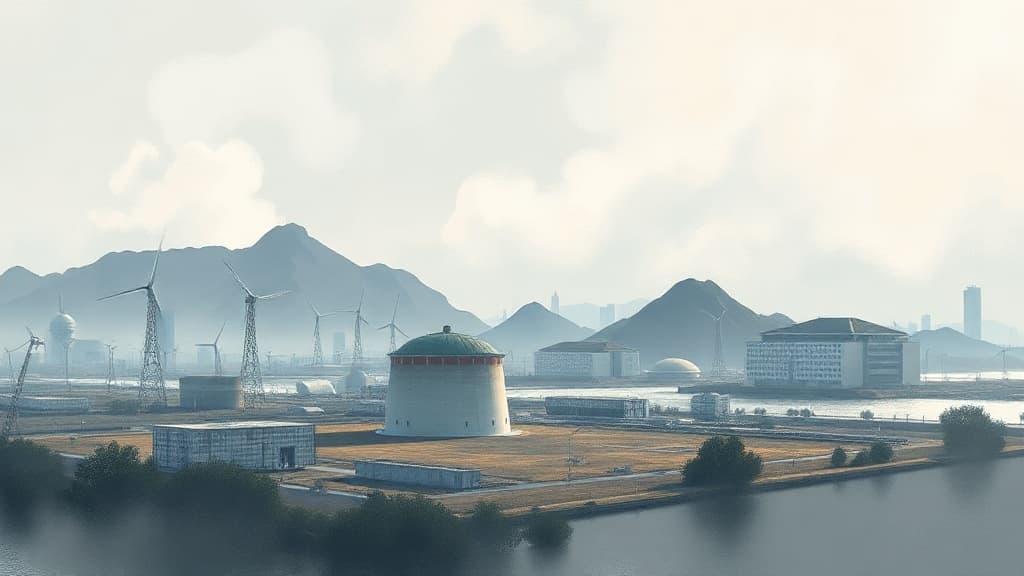
Korea's Ministry of Climate, Energy and Environment plans to increase solar and wind generation capacity from 37.1 GW to 100 GW by 2030, with a projected investment of 268 trillion won. This ambition faces challenges as ESS facilities, crucial for stabilizing renewable energy, have been plagued by fires, including a notable incident in March 2025, which destroyed 3,852 battery modules worth over 10 billion won.
The country has recorded 59 ESS fires in five years, leading to nearly 89 billion won in damages. These issues are compounded by the need for uninterrupted power for data centers and semiconductor plants, which renewable sources struggle to consistently provide. Land scarcity and limited domestic production of renewable infrastructure materials further add to the challenges, highlighting the complexity of achieving both renewable energy targets and advancements in artificial intelligence.

Comments