
Legal Overview of LNG Supply and Transportation from Canadian Ports
The structure of the LNG value chain in Canada encompasses complex legal and economic frameworks, impacting investment and operational decisions. Understanding these frameworks is critical for stakeholders looking to navigate risks and optimize their participation in the LNG market.
 Theia Market Signal Identification - AI Assisted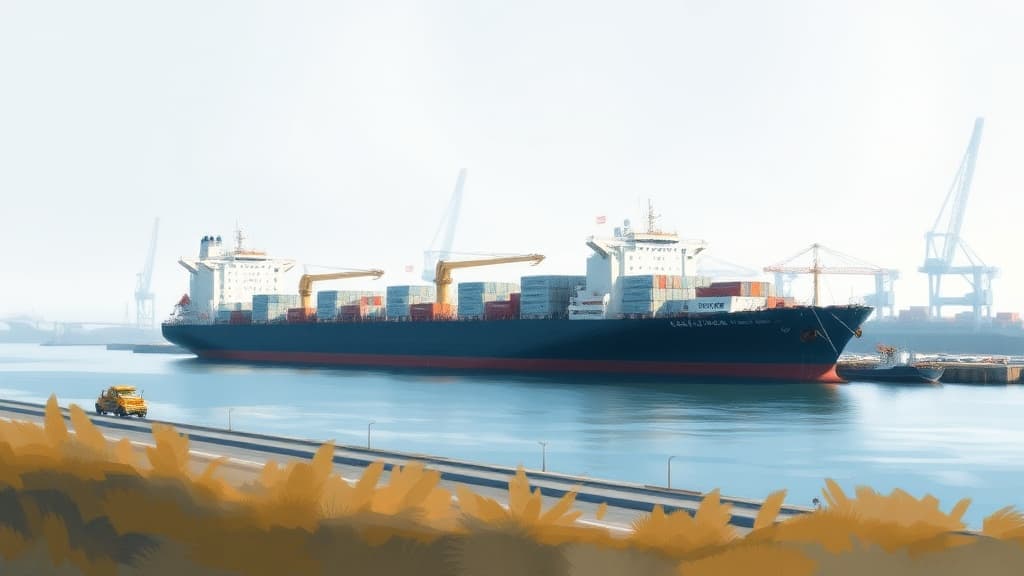
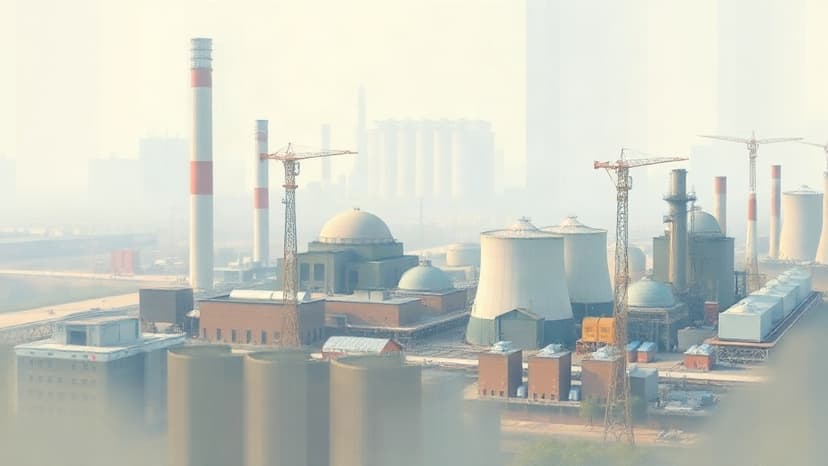
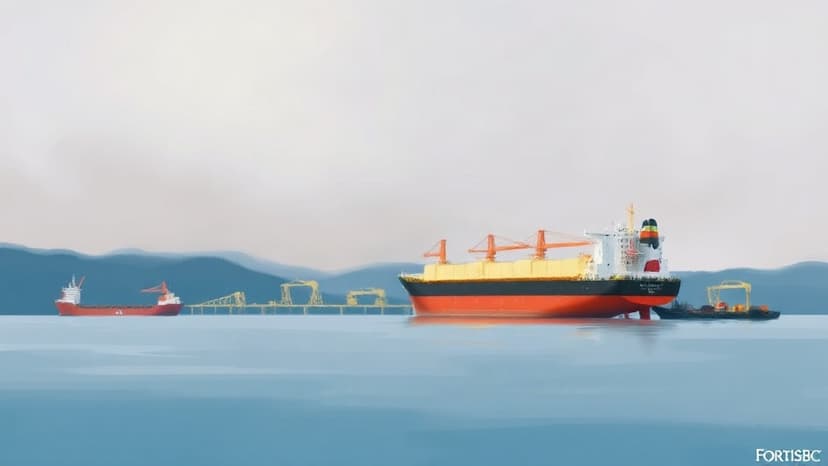
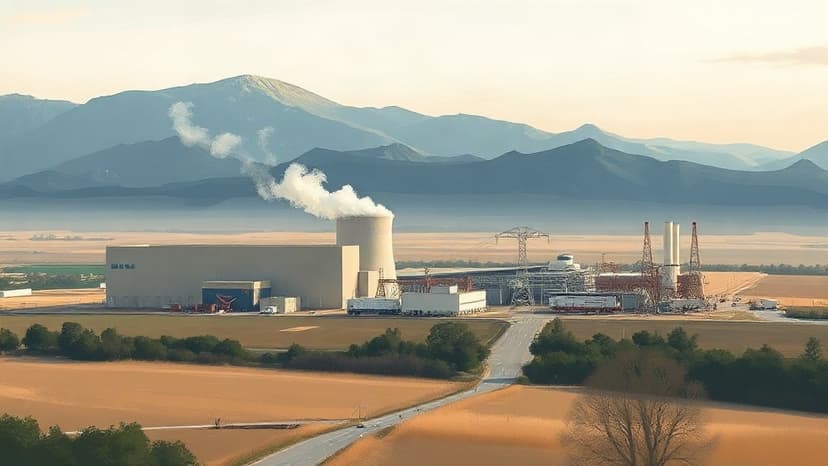
The LNG value chain consists of several interconnected phases including gas production, pipeline transportation, liquefaction, shipping, and regasification. In Canada, gas producers must secure rights to mineral permits or leases for development, with production primarily sourced from onshore reserves.
Transportation of extracted gas to liquefaction facilities is facilitated through pipeline agreements, which are essential for maintaining supply reliability. Various contractual arrangements govern the movement of LNG, often requiring careful structuring to manage risks and economic interests among independent participants.
The emergence of LNG bunkering and domestic applications further diversifies potential markets, necessitating compliance with regulatory standards. Stakeholders must ensure alignment between contracts at each value chain segment to mitigate exposure to delays and operational risks.
Comments