
McKinsey Analysis Warns of Project Shortfalls Threatening 2030 Decarbonization Goals
McKinsey's recent analysis warns that despite significant investments in low-carbon technologies, project shortfalls could jeopardize interim decarbonization goals for 2030. The report highlights a 15% increase in renewable capacity and a 25% rise in electric vehicle sales, yet emphasizes gaps in final investment decisions for established and emerging technologies. Without addressing these shortfalls, achieving net zero by 2050 may be at risk.
 Theia Market Signal Identification - AI Assisted
McKinsey's analysis, released on January 14, highlights that despite significant investment in low-carbon technologies, shortfalls in project realization threaten interim goals for net zero by 2050. The report, titled 'Tracking the energy transition: where are we now?', covers nine key decarbonization technologies and includes insights from Europe, the US, and China, focusing on battery energy storage systems and nuclear energy.
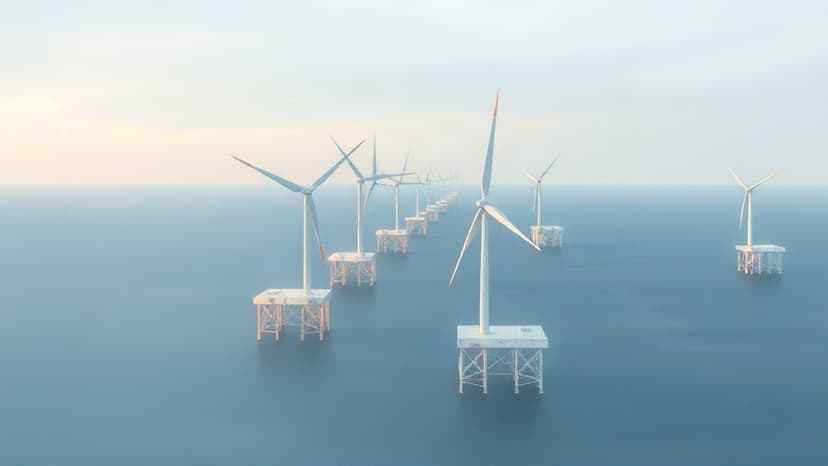
While renewable capacity increased by 585 GW (15%) and electric vehicle sales rose by 25% to 17 million units globally, gaps remain in projects reaching final investment decision (FID) across established technologies like solar PV and wind, as well as emerging technologies such as green hydrogen. The analysis indicates that current operational, FID, and under-construction capacities in China, Europe, and the US suggest that 2030 milestones may not be achieved.



Comments