
MIT World Peace University Launches Innovative Carbon Negative Hydrogen Production Pilot Plant in Pune
MIT World Peace University in Pune has unveiled a pilot plant capable of producing 500 kg of hydrogen daily using a patented carbon negative technology that converts agricultural waste into hydrogen and biocng. This initiative, led by Dr. Ratnadip Joshi, addresses crop residue burning, enhances efficiency, and aims to lower hydrogen production costs to support India's green hydrogen goals by 2030. The project is positioned to create multiple revenue streams while promoting sustainable energy practices within the agricultural sector.
 Theia Market Signal Identification - AI Assisted
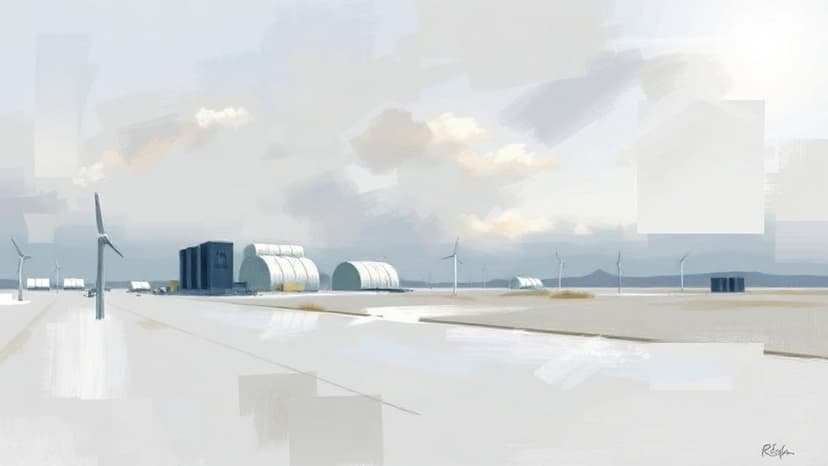
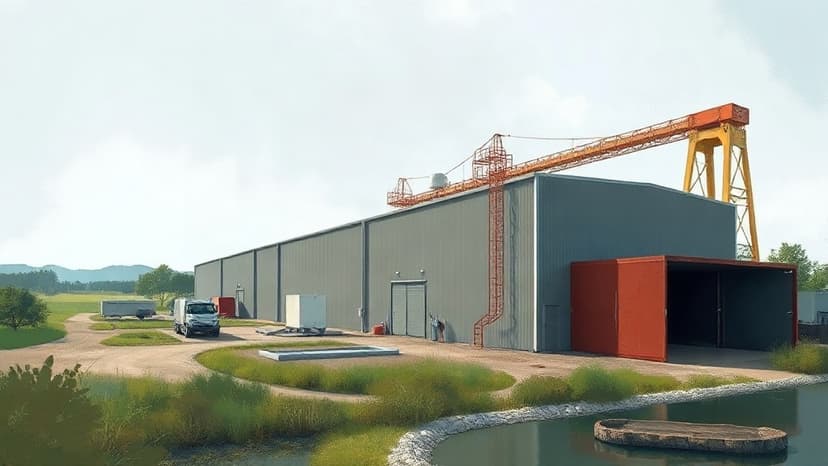
In Pune, a bustling hub of academia and industry, MIT World Peace University (MIT WPU) has launched a groundbreaking pilot plant designed to produce 500 kilograms of hydrogen per day through a patented carbon negative technology. This innovative initiative, spearheaded by Dr. Ratnadip Joshi at the Green Hydrogen Research Centre, addresses one of India's persistent challenges: the burning of agricultural crop residues, which not only contributes to air pollution but also represents a significant untapped energy resource.
Historically, efforts to harness biomass for energy production in India have faced numerous hurdles. The government-backed initiatives of the 1990s struggled with inconsistent feedstock quality and maintenance issues, limiting their effectiveness and operational efficiency. However, MIT WPU's approach marks a departure from these past limitations by accepting mixed agricultural waste and integrating a robust microbial culture with a plant-based pyrolysis step, thus enhancing productivity and streamlining the process.
India generates over 500 million tonnes of agricultural residue annually, much of which is incinerated in the fields. Situated strategically between urban farms and cutting-edge research facilities, MIT WPU's pilot plant serves as an ideal testing ground for this integrated carbon negative process. The facility employs a two-step, zero-emission pathway that is both ingenious and environmentally friendly.
Equipped with patents covering the bio-culture recipe, pyrolysis catalyst, and the entire process flow, MIT WPU demonstrates a model that not only co-produces hydrogen but also biocng, biochar, and coated biofertilizers. This multifaceted approach opens up diverse revenue streams and presents solid economic prospects.
Dr. Joshi emphasizes that this initiative is setting a new standard for decentralized energy hubs in agricultural regions.
Currently, India consumes approximately 30 million tonnes of urea annually, with significant costs incurred from imports and subsidies. Early trials in Maharashtra indicate that the biochar and slow-release biofertilizers developed through this project can increase crop yields by 12% while reducing synthetic nitrogen use by 20%, resulting in substantial savings for both farmers and the state.
Launched under India's National Green Hydrogen Mission 2023, which aims for 5 million tonnes of hydrogen production by 2030, this pilot project is poised for expansion. MIT WPU is actively negotiating with the Ministry of New and Renewable Energy to establish a Centre of Excellence for Green Hydrogen, with plans to deploy modular plants capable of producing 2.5 tonnes per day across key agricultural districts. This initiative aims to transform rural areas from energy consumers into energy producers.
Initial capital expenditure estimates for these modular units stand at approximately $1 million per tonne per day, significantly lower than the $1.5 to $2 million typically spent on traditional electrolysis systems. With revenue generation from hydrogen, biocng, fertilizers, and potential carbon credits, the project forecasts internal rates of return exceeding 15%. Partnerships with fertilizer companies and state gas utilities are also being explored to secure feedstock and off-take agreements.
As global hydrogen demand is projected to reach around 115 million tonnes by 2050, India is positioning itself to meet domestic needs while also tapping into export markets such as Japan and South Korea. By achieving the critical hydrogen production cost of $1 per kilogram, the country could establish green hydrogen corridors under initiatives like the International Solar Alliance, potentially generating $5 to $10 billion in exports by 2030.
While regions like Europe and North America are investing heavily in large-scale electrolysis technologies, MIT WPU's approach utilizing agricultural waste offers a reliable, water-efficient method of hydrogen production that integrates seamlessly into existing gas grids and fertilizer markets. Looking ahead, a 2-tonne-per-day demonstration plant is anticipated by the fourth quarter of 2026, with a commercial 10-tonne-per-day unit expected by 2028.
As the Green Hydrogen Research Centre transitions from pilot projects to commercial demonstrations, energy analysts like Ravi Menon highlight the potential of this innovative process to favor emerging markets. By leveraging existing agricultural value chains, minimizing water and capital expenditure burdens, and ensuring a stable hydrogen supply, MIT WPU is establishing a strong foundation for a sustainable energy future, turning agricultural waste into a cornerstone of clean energy infrastructure.


Comments