
Mitsubishi Heavy Industries Demonstrates CO2-to-Fuel Technology for Sustainable Aviation Fuel Production
Mitsubishi Heavy Industries (MHI) has demonstrated a process for producing synthetic fuels from CO2, water, and electricity at its Nagasaki facility. The method combines solid oxide electrolysis cell (SOEC) co-electrolysis with Fischer-Tropsch synthesis, enhancing economic efficiency for sustainable aviation fuel (SAF) production. This technology aims to support the aviation industry's goal of net-zero CO emissions by 2050. MHI is also exploring broader applications for synthetic fuels in other sectors, alongside ongoing developments in catalyst technology and decarbonization initiatives.
 Theia Market Signal Identification - AI Assisted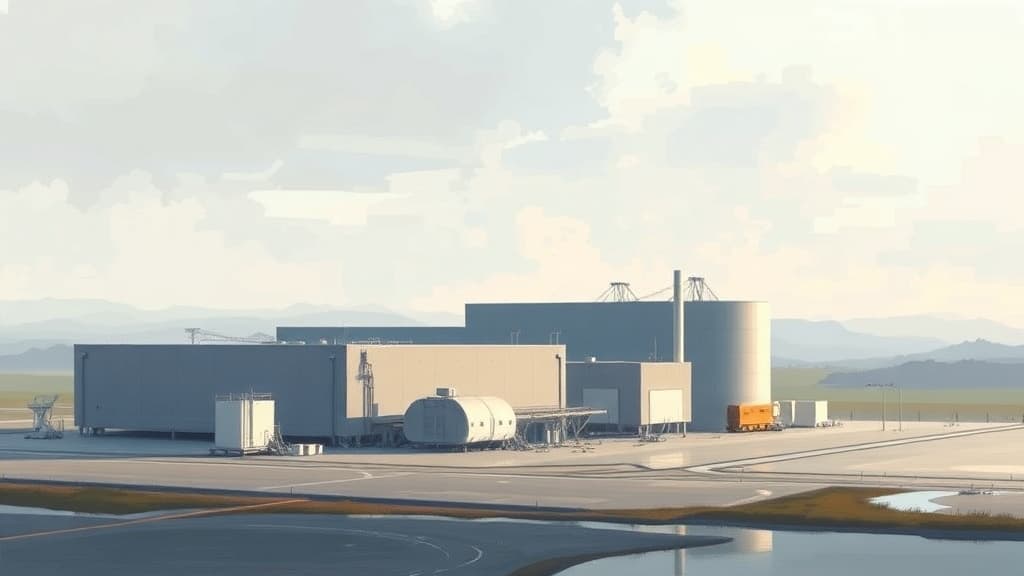
Mitsubishi Heavy Industries (MHI) demonstrated a process for producing synthetic fuels from carbon dioxide, water, and electricity at its Research & Innovation Center in Nagasaki. The integrated method uses solid oxide electrolysis cell (SOEC) co-electrolysis and Fischer-Tropsch synthesis, focusing on sustainable aviation fuel (SAF) production.
MHI's approach aims to simplify and enhance the economic efficiency of fuel production compared to traditional methods. MHI plans to leverage this demonstration to scale technologies for sustainable fuels across various sectors, including automotive and shipping. Ongoing catalyst development and a small-scale SAF production test rig further support MHI's decarbonization efforts.


Comments