
MOST-H2 Project Aims to Develop Hydrogen Storage for Rail and Road Mobility
The MOST-H2 project is exploring the viability of metal-organic frameworks for hydrogen storage to support zero-emission rail and road mobility, particularly focusing on hydrogen fuel cell electric trains. Conducted by FEN Research GmbH and Italferr SpA, the feasibility study aims to provide a cost-effective alternative to diesel, addressing environmental concerns highlighted by the Zillertalbahn's significant diesel consumption and CO2 emissions. The initiative is backed by funding from the Austrian Climate and Energy Fund.
 Theia Market Signal Identification - AI Assisted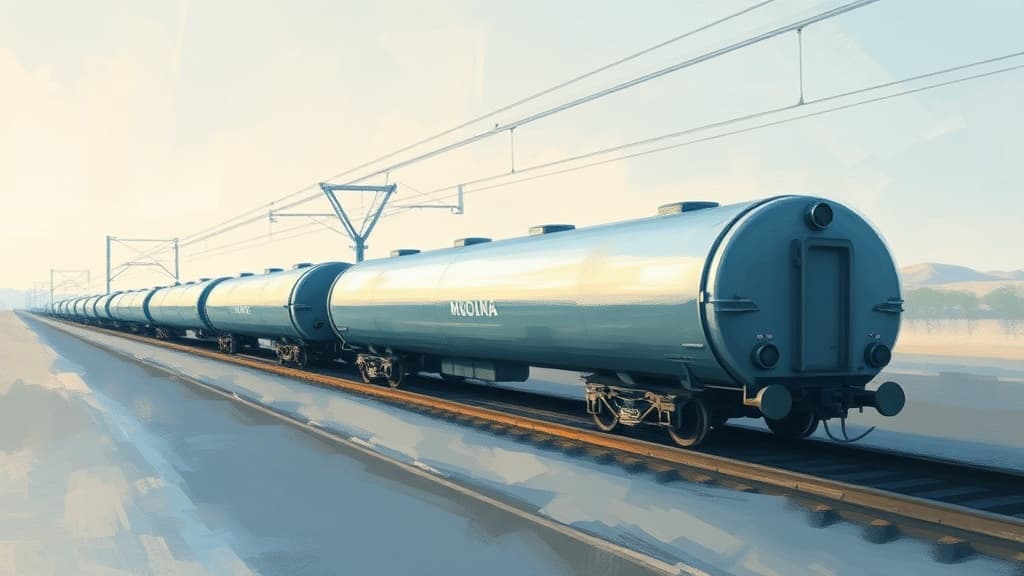
The MOST-H2 project is assessing the feasibility of metal-organic frameworks for hydrogen storage in heavy-duty mobility. It focuses on low-cost, cryo-adsorptive hydrogen storage for hydrogen fuel cell electric trains to provide a zero-emission alternative to diesel.
Partners FEN Research GmbH in Austria and Italferr SpA in Italy are conducting a feasibility study for railway and road transport. The HyTrain project was initiated to address risks associated with hydrogen train implementation, receiving funding from the Austrian Climate and Energy Fund in 2020. The Zillertalbahn, operating diesel-hydraulic locomotives in Austria, consumes 0.8 million liters of diesel annually, emitting 2.2 million kg of CO2.


Comments