
NASA Plans Nuclear Reactor on the Moon: Implications of Potential Meltdown
NASA has announced plans to build a nuclear reactor on the Moon to power future lunar bases and missions. The project follows previous nuclear space initiatives, including the SNAP reactors and Kilopower tests. While designs prioritize safety, concerns about a potential meltdown arise, although the unique lunar environment would lead to different outcomes compared to Earth. A meltdown could result in localized radiation exposure without atmospheric fallout. The project's history includes previous nuclear endeavors and even a secret proposal to detonate a hydrogen bomb on the Moon.
 Theia Market Signal Identification - AI Assisted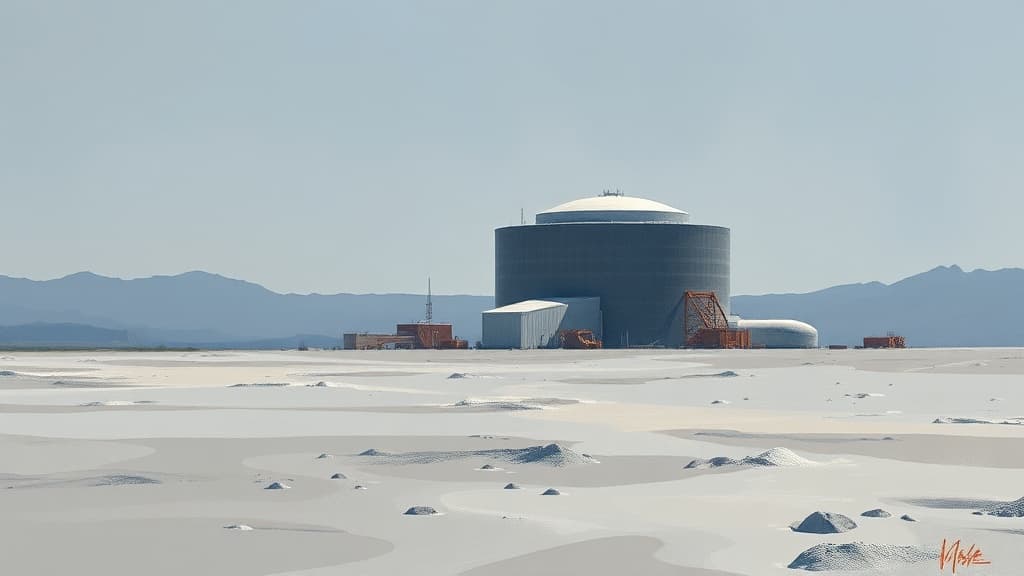
NASA plans to construct a nuclear reactor on the Moon to support future lunar bases and missions. This follows a history of nuclear applications in space, including the SNAP-10A satellite and Kilopower tests.
The reactor design emphasizes safety with passive cooling and low-enrichment uranium. In the event of a meltdown, the Moon's lack of atmosphere would alter the scenario; instead of a dramatic explosion, overheating could lead to molten metal cooling silently.
Radiation exposure would pose risks to personnel, but fallout would remain localized. The project contrasts with past proposals like Project A119, which aimed to detonate a hydrogen bomb on the Moon.




Comments