
Navy's Challenge: Sustainment of Unmanned Systems Overseas
The U.S. Navy plans to deploy 39 unmanned surface vehicles by 2027, necessitating a new framework for overseas maintenance. Without established maintenance protocols, the operational effectiveness of these unmanned platforms could be compromised, leaving them vulnerable and logistically stranded.
 Theia Market Signal Identification - AI Assisted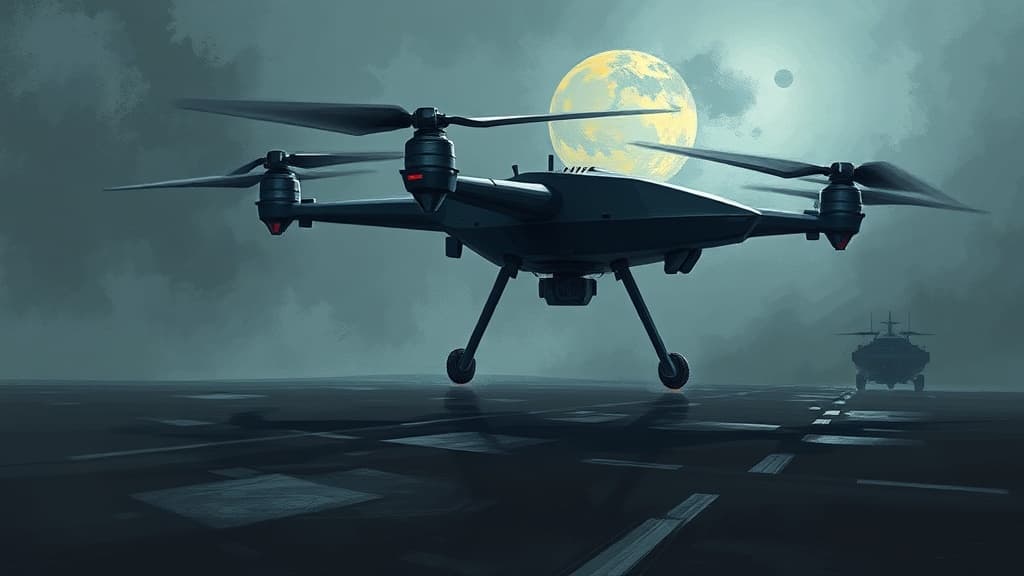
The U.S. Navy's 2026 budget proposal aims to double funding for autonomous systems, with the Theodore Roosevelt Carrier Strike Group deploying a medium-sized unmanned surface vehicle this year. To support this unmanned fleet, the Navy must develop a framework for overseas maintenance, addressing the logistics and legal complexities of sustaining these systems in forward ports.
Current maintenance models are inadequate, relying on large, manned platforms serviced at established bases, which may not be feasible for unmanned systems. The Navy must assess maintenance requirements, consider distributed port networks, and establish legal agreements for operations in various jurisdictions.
The strategic need for flexible, expeditionary logistics and repair capabilities at remote locations is critical in the Indo-Pacific. Solutions may include a combination of organic repair teams and contractor support to ensure effective maintenance and operational readiness.

Comments