
Nepal's Energy Development Roadmap Faces Local Protests Amid Hydropower Expansion Plans
Nepal aims to generate 28,500 MW of electricity by 2035, with plans to export 15,000 MW. Recent agreements with India and Bangladesh mark a shift in energy diplomacy. However, local protests against hydropower projects highlight tensions over profit sharing and governance, as communities demand greater participation in decision-making. Structural reforms have centralized regulatory control, raising concerns about equitable profit distribution. The situation poses challenges for Nepal's economic ambitions and energy strategy.
 Theia Market Signal Identification - AI Assisted
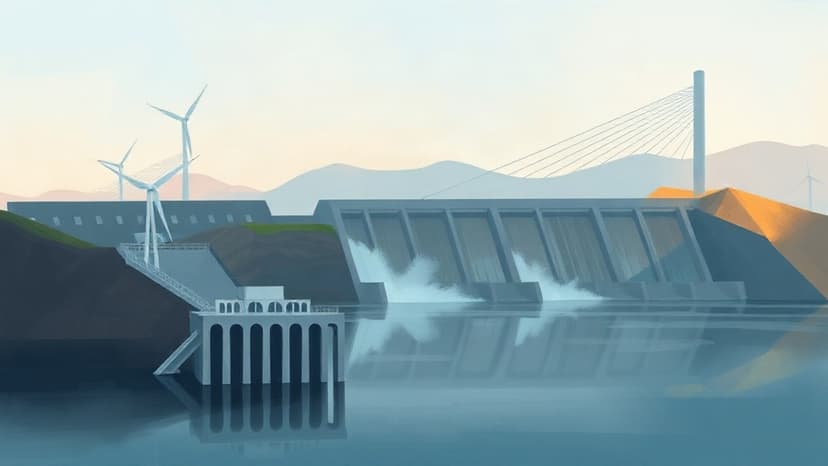
Nepal's 'Energy Development Roadmap and Action Plan-2081' targets generating 28,500 MW by 2035, including exporting 15,000 MW. Agreements with India and Bangladesh, including a January 2024 power trade deal and an October 2024 trilateral agreement, signify a shift towards energy exportation.
However, local protests have emerged against hydropower projects, such as the halted Marsyangdi Besi project due to ecological concerns. The Electricity Regulatory Commission's new directive for electricity trading centralizes control, raising tensions over profit sharing. As Nepal's energy ambitions grow, community resistance underscores the need for equitable governance.

Comments