
New Simulations Reveal Ice Mass Loss from Saturn's Enceladus Geysers
Supercomputer simulations from Texas Advanced Computing Center have improved estimates of ice mass loss from Enceladus, Saturn's moon. The study indicates that mass flow rates are 20 to 40 percent lower than previous literature. The research enhances understanding of Enceladus's cryovolcanic plumes, which may harbor life beneath its icy crust. Future missions by NASA and the European Space Agency aim to land on Enceladus and explore its subsurface ocean.
 Theia Market Signal Identification - AI Assisted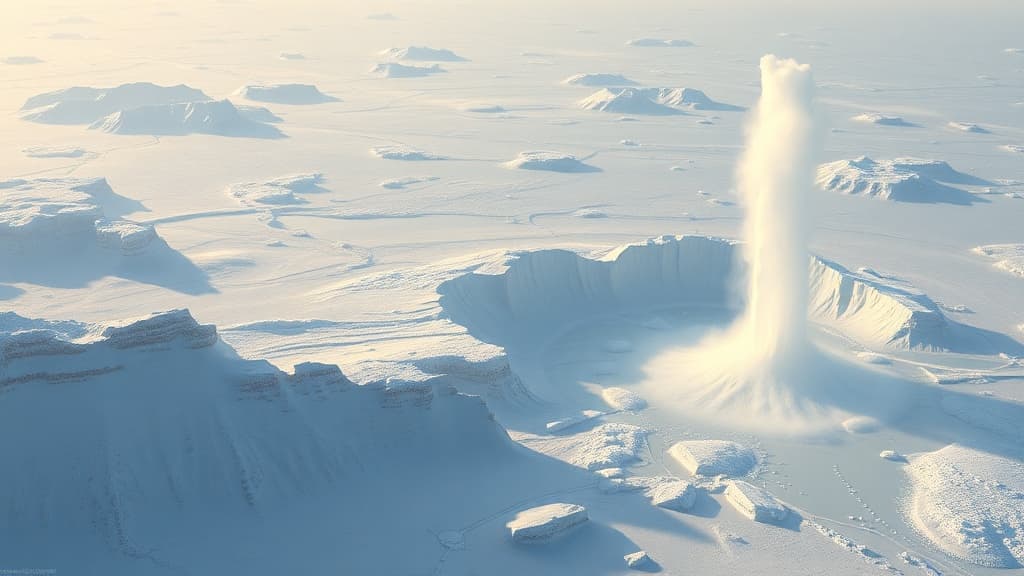
New supercomputer simulations from the Texas Advanced Computing Center have provided improved estimates of the ice mass Enceladus is losing to space. The study indicates that the mass flow rates are 20 to 40 percent lower than previously reported.
This research builds upon 2019 work that utilized DSMC models for cryovolcanic plume analysis. Enceladus's weak gravity allows icy jets to escape, akin to volcanic activity. Future missions by NASA and the European Space Agency are planned to land on Enceladus and explore its subsurface ocean, which may harbor signs of life.




Comments