
NHF Advocates for Zero-Emission Technology in Norway's Coastal Fleet Transition Post-2030
The Norwegian Coastal Administration (NHF) advocates for the integration of zero-emission technology in coastal fleet operations starting from the next bidding period after 2030, emphasizing the need for stringent emission intensity requirements. NHF supports the introduction of hydrogen-based fuels for shipping and the construction of hydrogen-powered vessels by Viking Cruises, while also calling for economic penalties for non-compliance and infrastructure development for alternative fuel bunkering. Additionally, they propose a gradual increase in CO2 taxation in alignment with EU climate policies.
 Theia Market Signal Identification - AI Assisted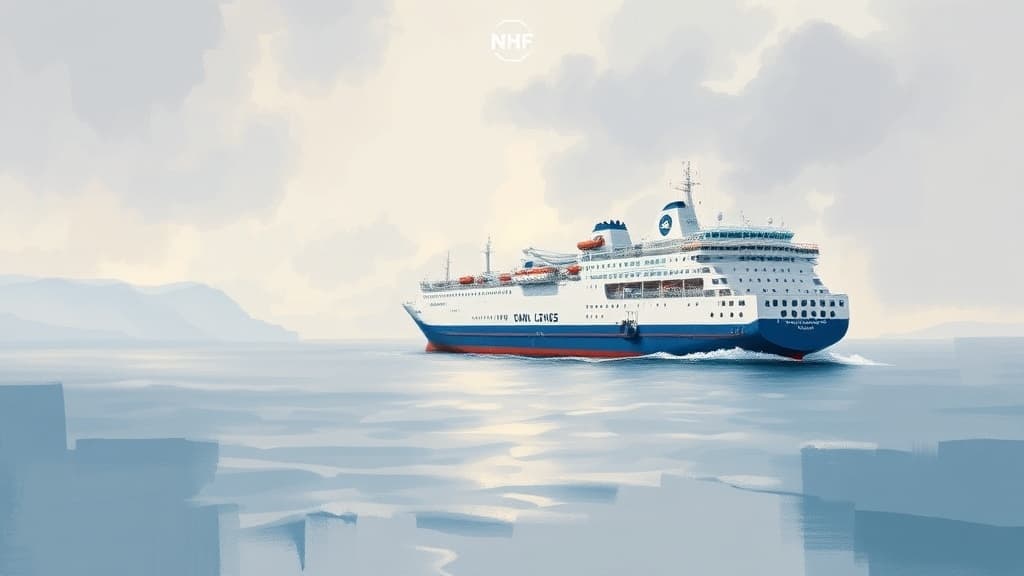
The Norwegian Coastal Administration (NHF) emphasizes the necessity of integrating zero-emission technology from the start of the next bidding period for coastal routes after 2030. NHF calls for strict emission intensity requirements that drive significant technological shifts, beyond minor improvements in fuel efficiency and hull design.
They note that hydrogen-based fuels are being introduced for international and domestic shipping, with ferries and bulk carriers slated for launch within two years. Viking Cruises is constructing two ships powered by hydrogen, expected to be operational in 2026 and 2027.
NHF supports the continuation of economic penalties for non-compliance with emission standards and suggests considering rewards for exceeding these targets. They also highlight the importance of infrastructure for alternative fuel bunkering along the coast and advocate for a progressive increase in CO2 taxation towards 2035, in alignment with evolving EU climate policies.



Comments