
Nova Scotia Approves Environmental Assessment for $4-6 Billion Sustainable Jet Fuel Plant
Nova Sustainable Fuels has received environmental approval for a $4-6 billion sustainable aviation fuel plant on Nova Scotia's Eastern Shore, supported by Octopus Energy. The facility will utilize wind and solar power, require significant biomass and water resources, and is expected to be constructed over two to three years, with a lifespan of 50 years. This project aims to provide a cleaner alternative to conventional jet fuel, potentially reducing greenhouse gas emissions by up to 80%.
 Theia Market Signal Identification - AI Assisted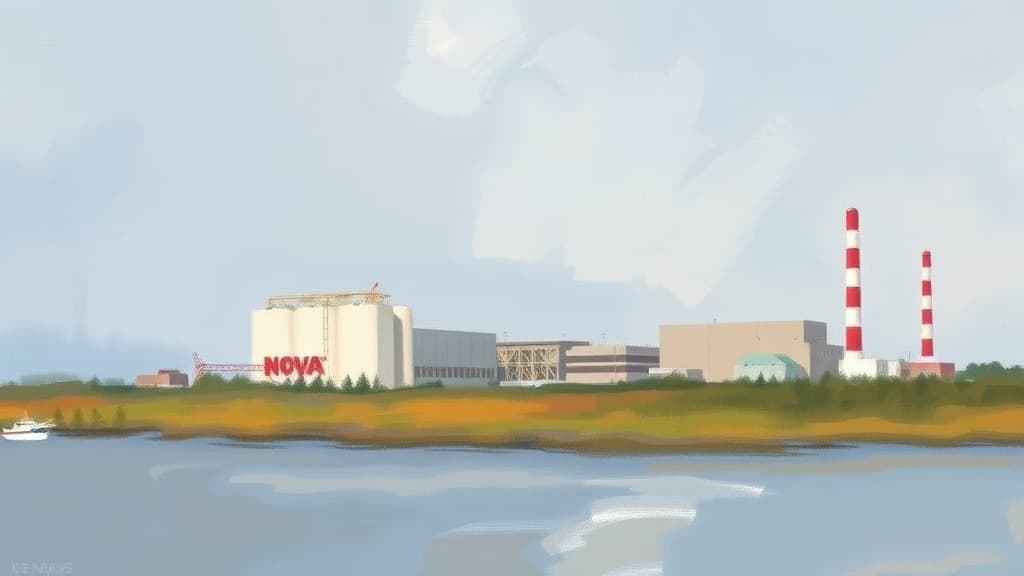
Nova Sustainable Fuels, supported by Octopus Energy, has received environmental approval for a $4-6 billion sustainable aviation fuel (SAF) plant on Nova Scotia's Eastern Shore. The project aims to build the facility near Isaacs Harbour and develop wind and solar farms to power it, with a second environmental assessment planned for 2027.
The plant will require 60 truckloads of biomass daily and 586 cubic meters of water per hour from nearby lakes, with construction expected to take two to three years and a lifespan of 50 years. Nova Scotia's environment minister has mandated completion within two years.
Despite recent investments in oil and gas exploration, SAF represents a cleaner alternative to conventional jet fuel, claiming to reduce greenhouse gas emissions by up to 80%. In 2024, Canadian company Parkland Corporation produced its first batch of SAF, highlighting ongoing efforts to increase domestic production amid challenges in scaling up SAF usage globally.




Comments