
Nuclear Power's Potential in Transport: From Submarines to Spacecraft
Nuclear power has evolved since the first chain reaction in 1942, generating a record 2667 terawatt-hours of electricity in 2024. While mainly used in naval vessels, attempts have been made to adapt nuclear energy for aircraft and trains, but safety concerns halted these projects. In space, nuclear propulsion is gaining investment from China, Russia, and the US, with planned demonstrations of nuclear thermal and electric propulsion in the next 5-10 years. Safety and regulatory challenges remain critical as humanity explores nuclear capabilities in transport.
 Theia Market Signal Identification - AI Assisted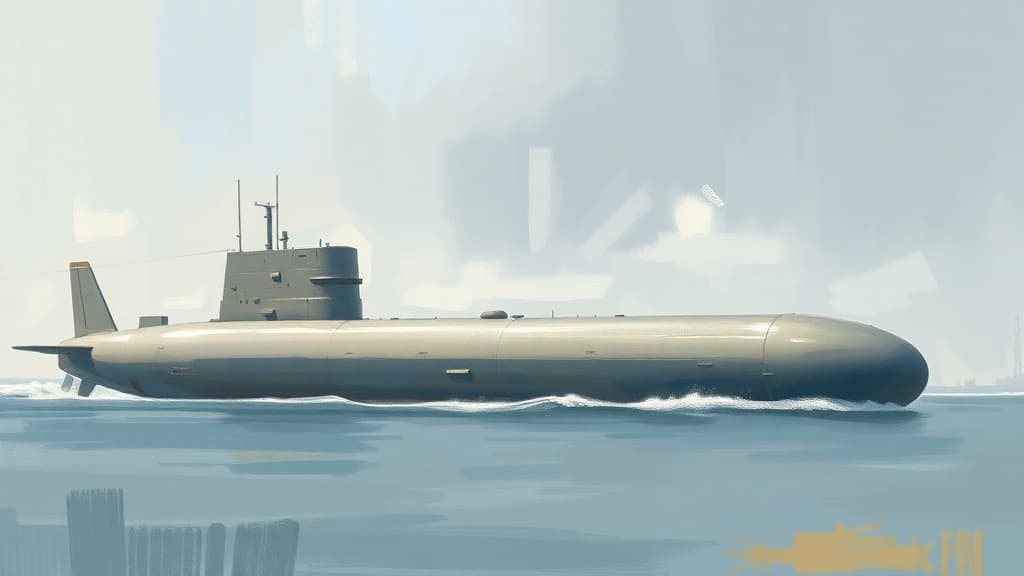
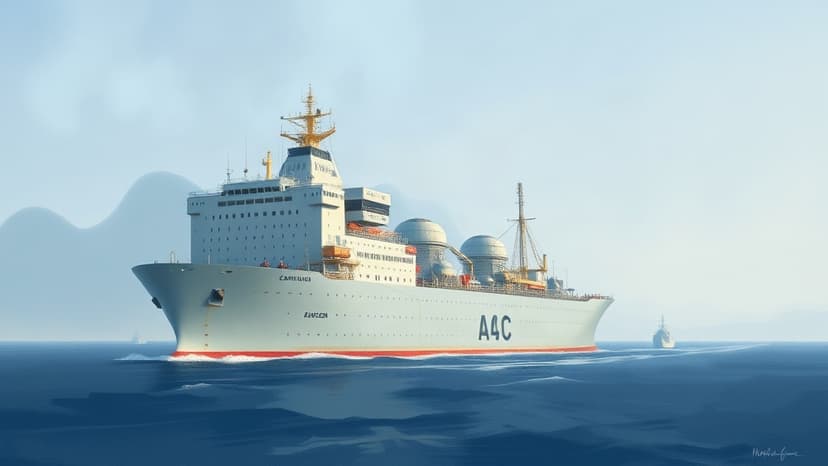
Nuclear power has advanced since the first self-sustaining chain reaction in 1942, achieving a record generation of 2667 terawatt-hours in 2024. Its primary application is in naval vessels, with the first nuclear-powered ship, the USS Nautilus, launched in 1954.
Attempts to develop nuclear aircraft and trains faced safety concerns and were ultimately abandoned. In space, the US, Russia, and China are investing in nuclear propulsion technology, aiming for demonstrations of nuclear thermal and electric systems in the next 5-10 years. However, safety and environmental regulations are essential as nuclear capabilities expand.

Comments