
NuScale Cancels US's First Small Modular Reactor Project Amid Rising Costs
NuScale Power Corp. and a Utah utility consortium have canceled the Carbon Free Power Project, the United States' first small modular reactor, due to a 53% rise in projected power costs, making it economically unviable. This cancellation highlights ongoing challenges in the small modular reactor sector, which struggles to compete with rapidly advancing renewable energy technologies despite receiving federal backing. Proponents stress the continued need for reliable, carbon-free energy, even as other SMR projects face scrutiny for potential cost overruns and delays.
 Theia Market Signal Identification - AI Assisted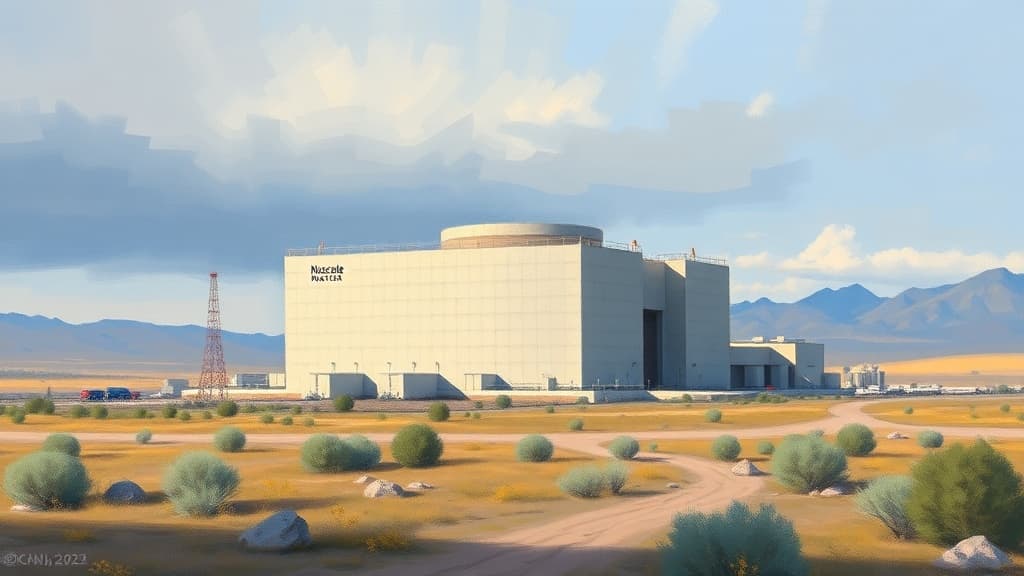
NuScale Power Corp. and a Utah utility consortium canceled the Carbon Free Power Project, the US's first small modular reactor (SMR), due to a 53% increase in projected power costs from $58 to $89 per megawatt-hour, rendering it economically unviable. This decision reflects the challenges in the SMR sector, which has been touted as a solution to traditional nuclear's cost issues.
Despite receiving substantial federal funding and regulatory approval, the project could not overcome economic and regulatory hurdles. The timeline for SMR deployment is also problematic, as competing renewable energy technologies are advancing rapidly.
Other projects, such as TerraPower's Natrium reactor in Wyoming, are under scrutiny to assess their potential. The UK is pursuing its own SMR initiatives, but global cost overruns and delays pose significant risks. Proponents argue the need for reliable, carbon-free energy remains urgent despite these setbacks.


Comments